National Park City Seeds Won't Grow Without Real Terra Firma
Let's not confuse scraps from the table with a place at the table.
Food as a verb thanks
for sponsoring this series
A revitalized Lincoln Park, the former epicenter — Satchel Page, Willie Mays – for African-Americans in Chattanooga and beyond.
Or a botanical garden — how perfect! — or ferris wheel in east Chattanooga.
How about a one-day spiritual trail winding through Chattanooga reminiscent of the El Camino in Spain? Call it "The Chattacamino."
All these ideas and more are registered as National Park City seeds, part of the movement to "grow the best place in the world to live."
We've written about this before. After Chattanooga was named the first National Park City (NPC) in North America comes the question: now what?
Friends of Outdoor Chattanooga tapped David Littlejohn, founder of Humanaut, to lead a "Seed Drive," where NPC-esque ideas are pitched and potentially funded.
Within this seed drive, he's trying to organize one particular seed drive for Local Food and Ag.
Saturday, April 25, is the seed pitch night, sort of like Shark Tank; pitched pitches will be whittled down to a smaller group, which will then go before potential funders. Littlejohn says this is ongoing work; not just a one-night-only type of funding.
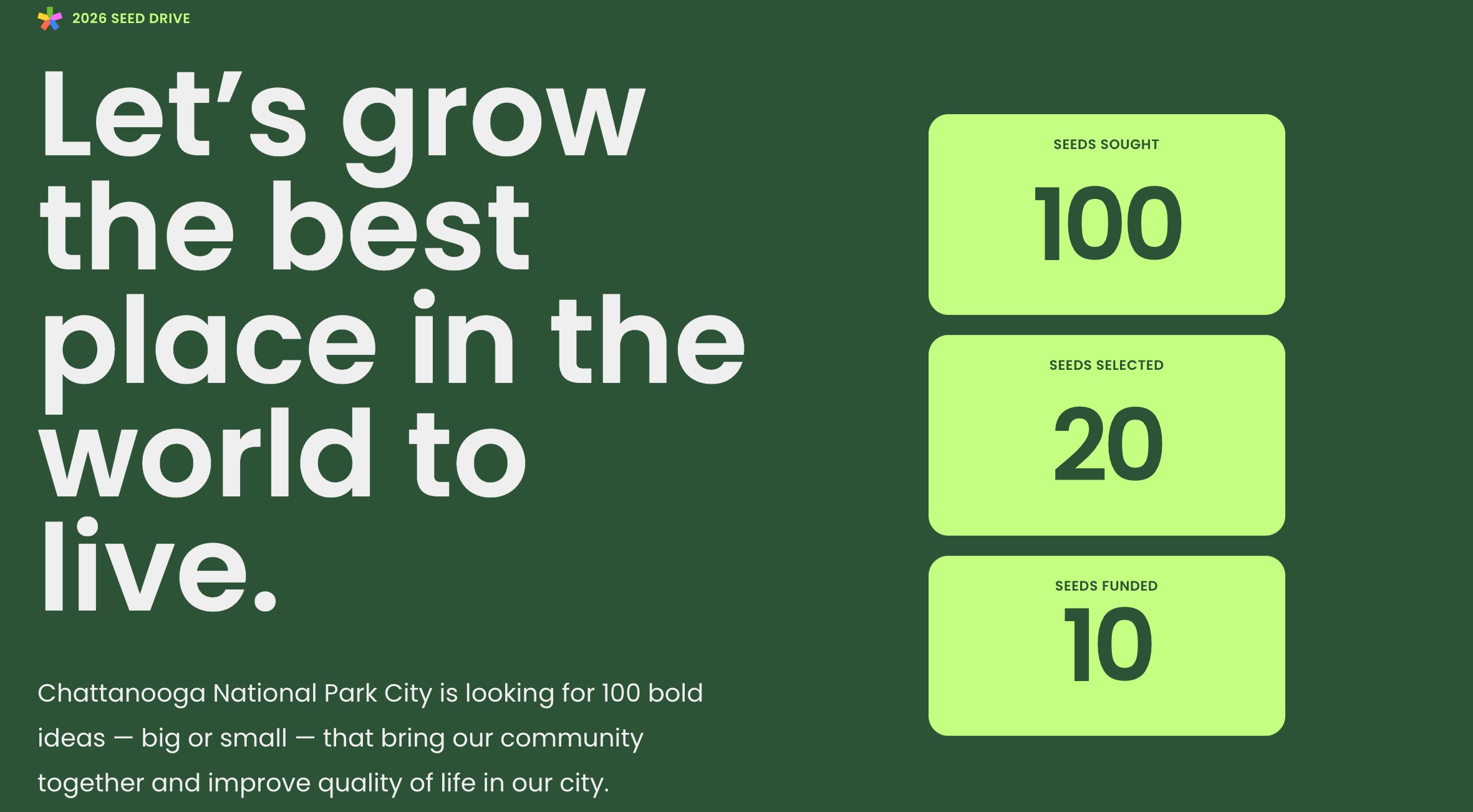
I love a good collection of ideas. Reads like a Christmas list written by selfless, creative, engaged Chattanoogans. Most cities don't have this. Spoiled is not my tone here today.
But clarity is.
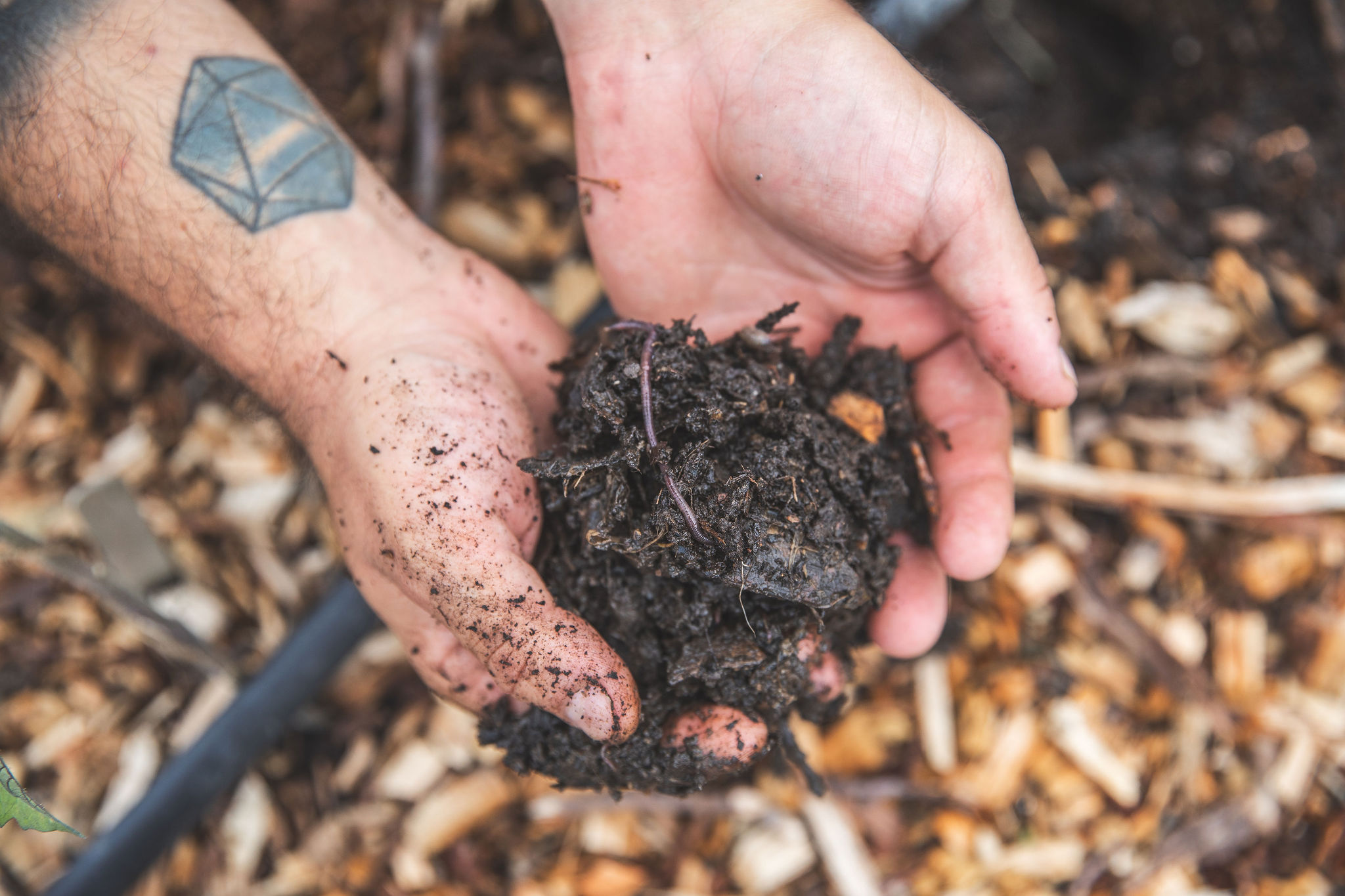
You can't plant seeds without soil and land that will hold them.
We don't need seeds.
We need land.
We need a larger container, a terra firma of tremendous public-and-private support that takes what exists — farmers, regional growers and infrastructure — and buttresses and sustains that.
Seeds won't grow without care and support. If the soil is inadequate and the grower's eye negligent, then no matter how pure the seed-idea is, there won't be a container available for its growth.
Ok, brass tacks, no more metaphors.
Does our region care enough about farmers, growers and an enhanced local food system?
Do our elected officials? Big business owners? Restaurant owners?
Regular, hard-working families?
Ideas like this may get funded into realities, but this is not expansive enough to initiate the real change needed to create a transformation — let's swing for fences as big as the downtown renaissance — that would uplift, elevate and prioritize locally-grown food as part of Chattanooga's core identity.
Initially, when Littlejohn announced this NPC funding-seed work, I was reserved but quietly wondering: is this the attention local food has waiting for?
For years, decades really, a group of local people have stayed loyal to this one question: how can we engage more of Hamilton County with food and drink that comes from local farmers and growers?
It feels like pushing a heavy stone up a mountain. Meanwhile, larger forces seem to conspire elsewhere.
Food deserts increase.
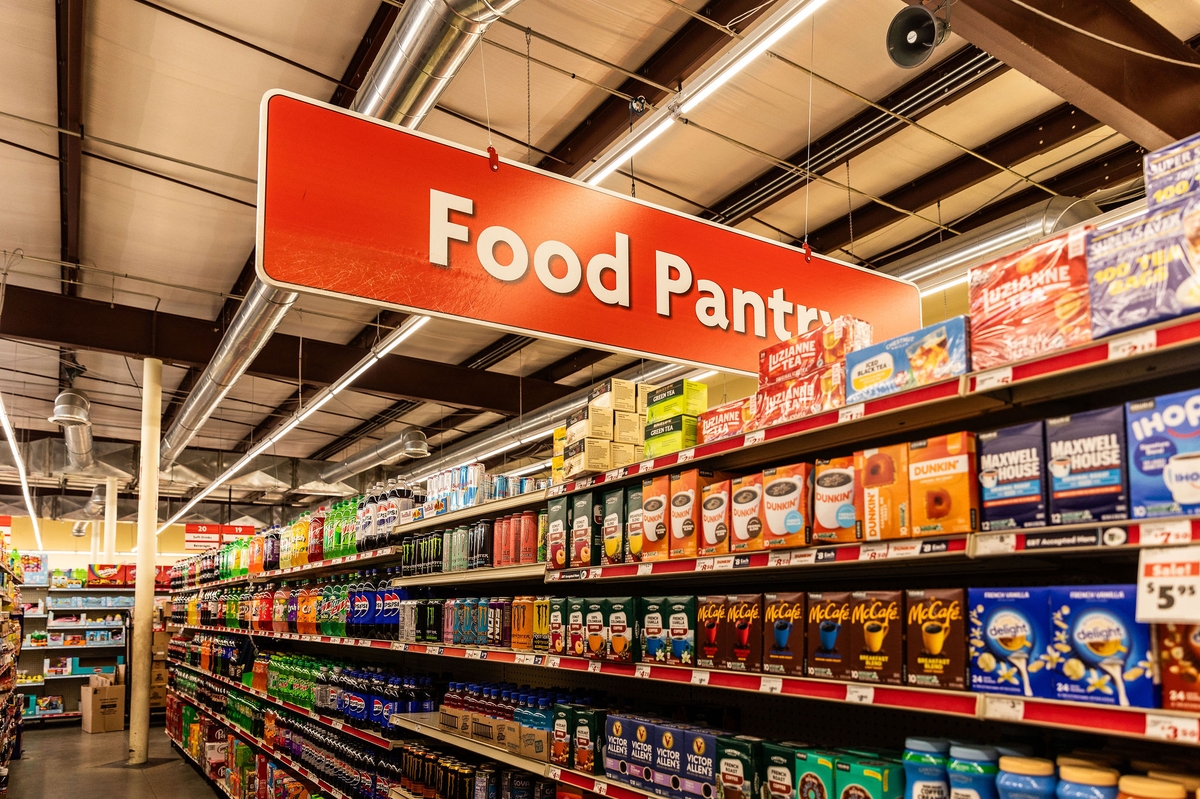
As grocery stores shut down.

Farmland disappears.
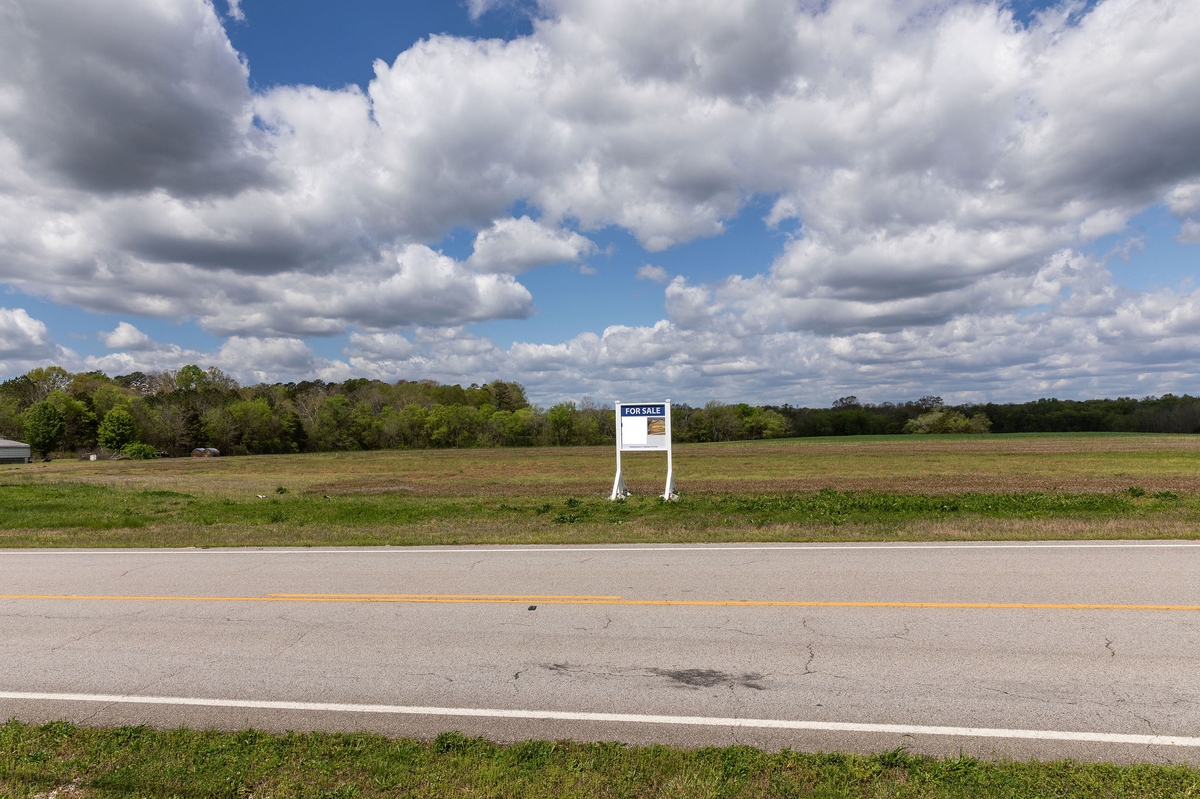
As land prices skyrocket and wages wilt.
Young farmers confess: we can't afford to grow the food we produce.
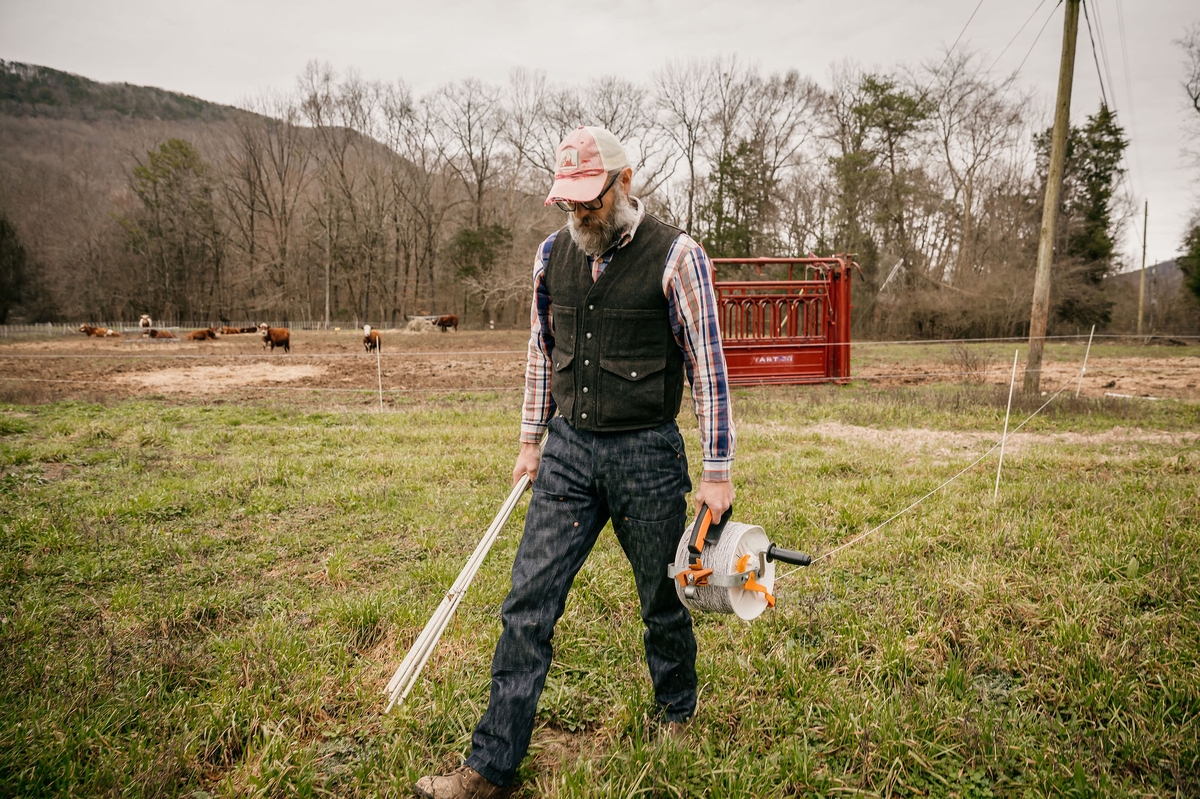
Food coalitions, food co-ops, permaculture experts, regenerative-ag farmers, old philosopher-agrarians, food policy experts, coalition founders, thoughtful chefs, bakers and more ... they're all trying to piecemeal together this work into a real, effective movement.
Yes, a movement.
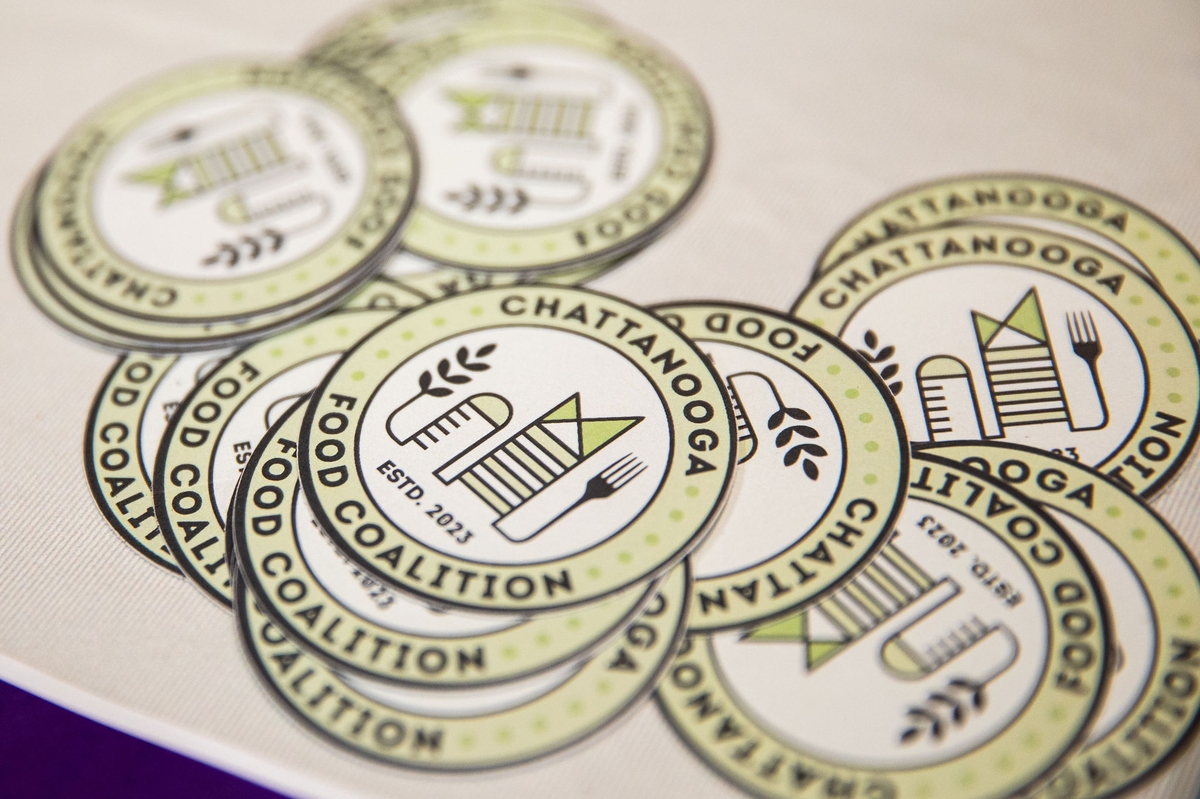
But a movement isn't really what we have here, as one dear friend said recently. We have the potentiality of a movement.
I hope all these NPC ideas get funding. Loads of money, pouring into these gorgeous ideas and good citizen pockets.
How beautiful. What a rich, uplifting city with so many creative, engaged people in it. How fortunate we are.
But we cannot confuse the possibility of 10 ideas being funded for real attention.
We cannot confuse scraps from the table from a real place at the table.
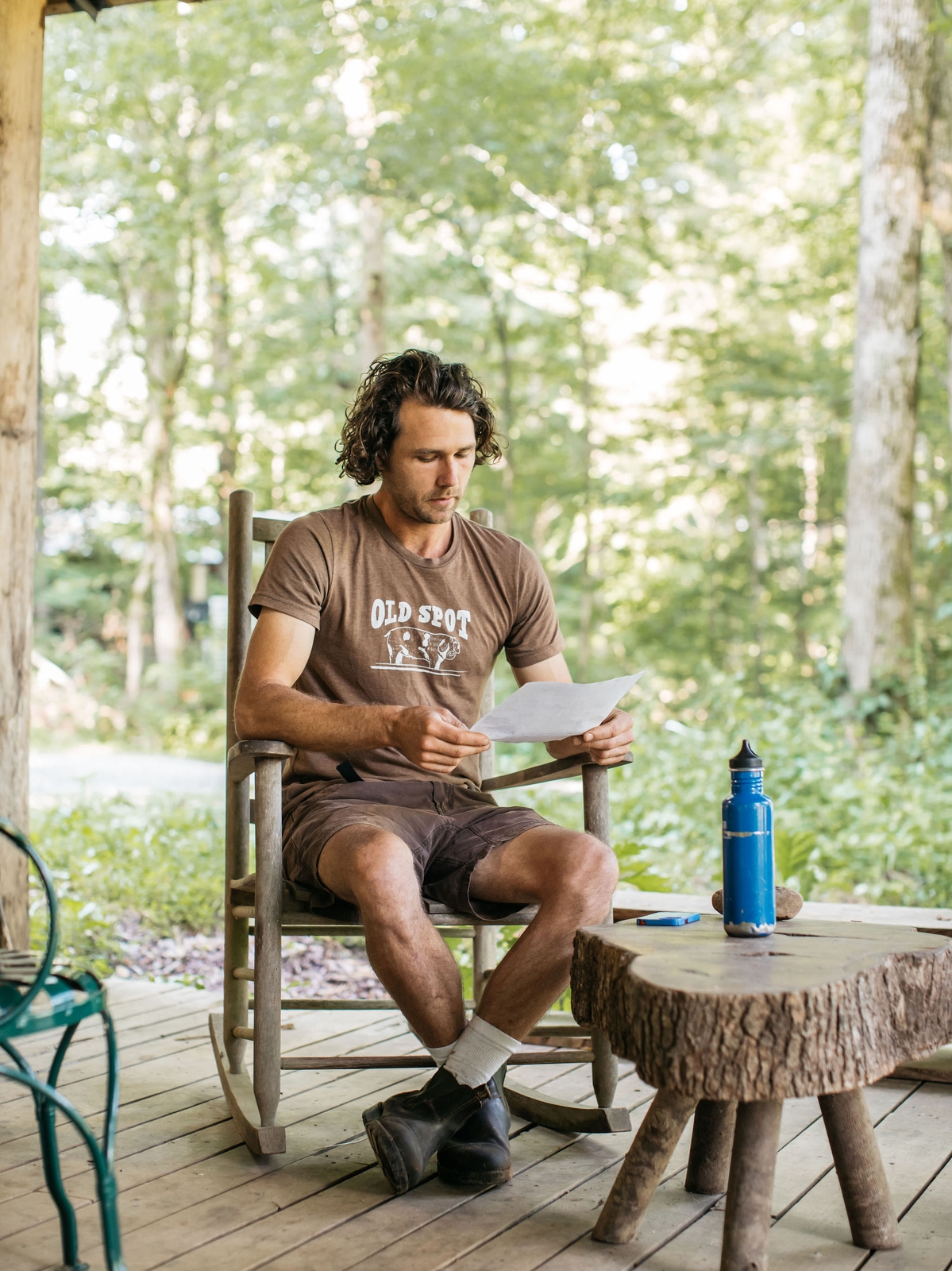
Without a soilbed that is vast, responsive and deep, seeds may be planted, but will only grow within the context of limits, not fertile expansion.
I've heard mayors and politicians talk about many things over the years, but I can't recall them ever talking about agriculture or food.
In the last few decades, the city and county have funded homeless studies, gang studies, traffic studies, baseball stadium studies, but no regional food policy, no comprehensive food plan or government-led office or director.
Food! Farming! How do we forget this?
How do we learn to remember?
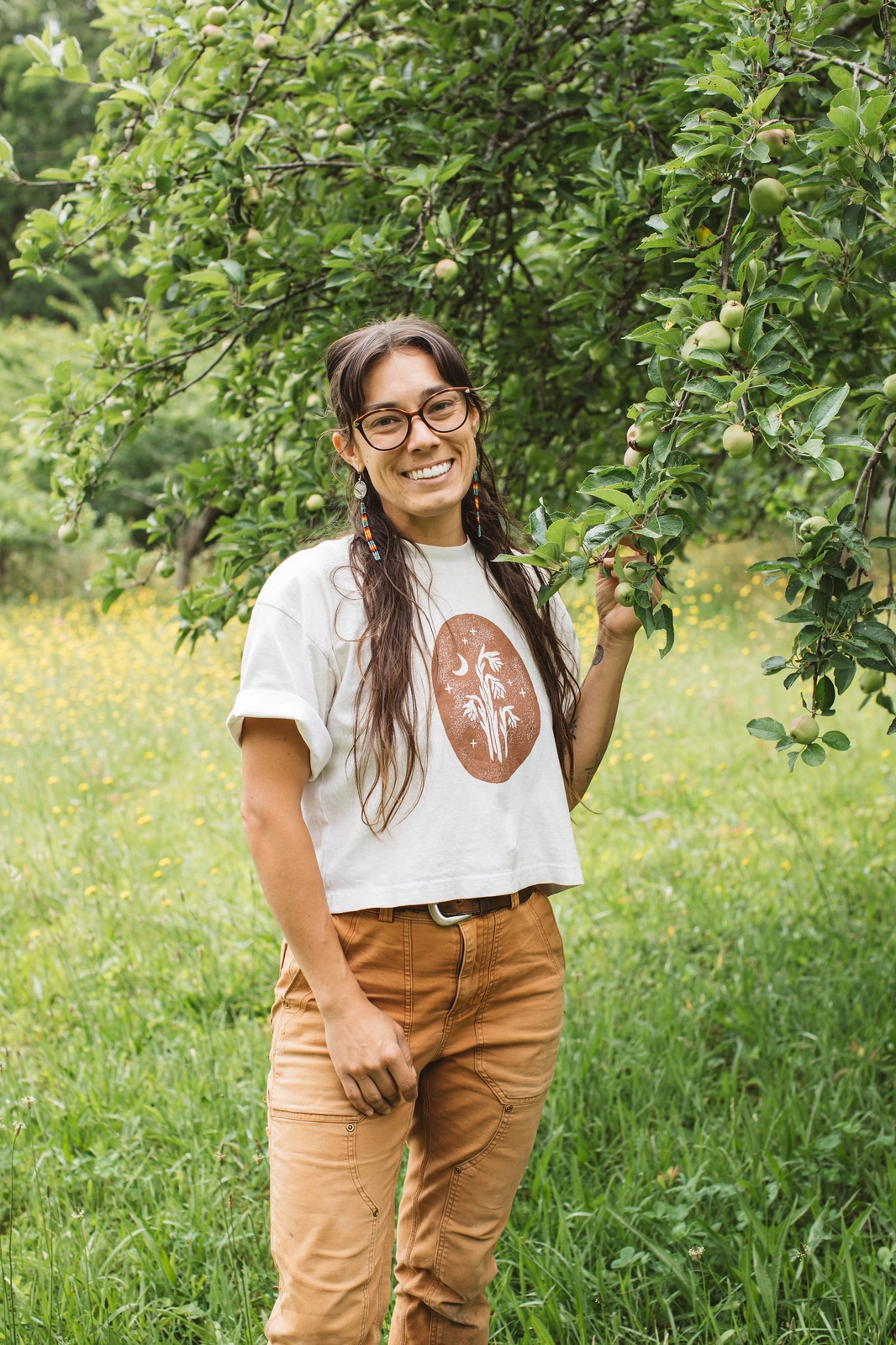
A Nashville man recently traveled to town. He works in the ag-industry, and visited — gleefully, I heard — several farms over several days, and it occurred to me as he was driving away: in this short time, he'd probably just visited more farms than all city and county mayors combined over the last 30 years.
Local food isn't taken seriously in this region.
To even begin this discussion is to unearth issues of living wages, land access and culture, my friend said.
Then comes this NPC seed idea that asks folks to create magnetic, meaningful pitches within a context of competition that pits farmer against farmer, each of whom would need to spend dozens of hours creating a Powerpoint pitch presentation that may only result in lost hours and lost wages.
You don't say this to people who can't afford to purchase the very food they grow.
We need the Deep State Chattanooga to get its hands in the hummus and soil. You know, the big funders, big names, big backers, from government to foundations to families, to get excited — giddy and gleeful — and taste spring lettuce or asparagus or strawberries grown from farmers whose hands they can shake, to slice knives into sausage from pigs on farms 20 minutes away, to awaken to the economic and cultural potential right here: the land and those who work it.
Jefferson called farmers our most valuable citizens.
What would it take for Hamilton County to agree?
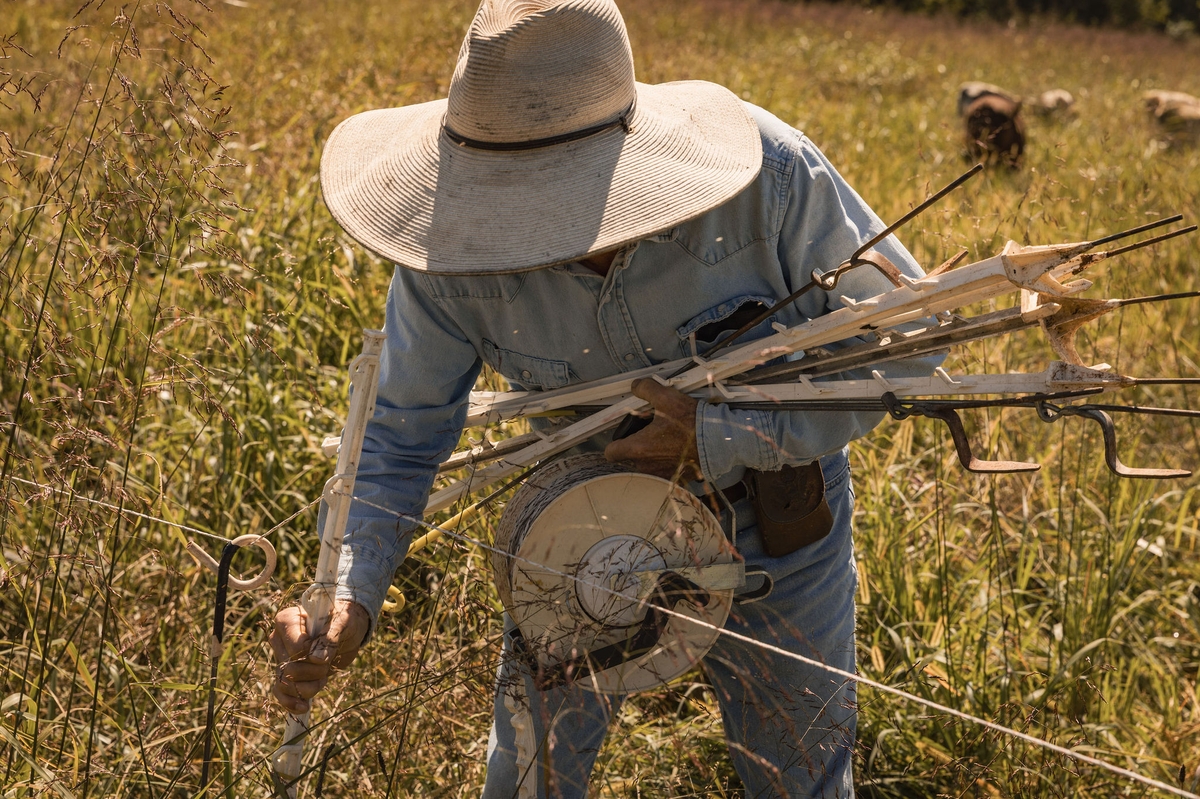
Let's become the Farm-to-Fork Capital of the South.
Look at Sacramento.
Calling itself the Farm-to-Fork Capital of the US, Sacramento boasts — boasts proudly and loudly — of its agricultural identity:
- More than 40 farmers markets.
- A city surrounded by farmland.
- A bonanza of restaurants that truly — not a fable – are farm-to-table menus.
- A visitors and tourist bureau that actively promotes this identity.
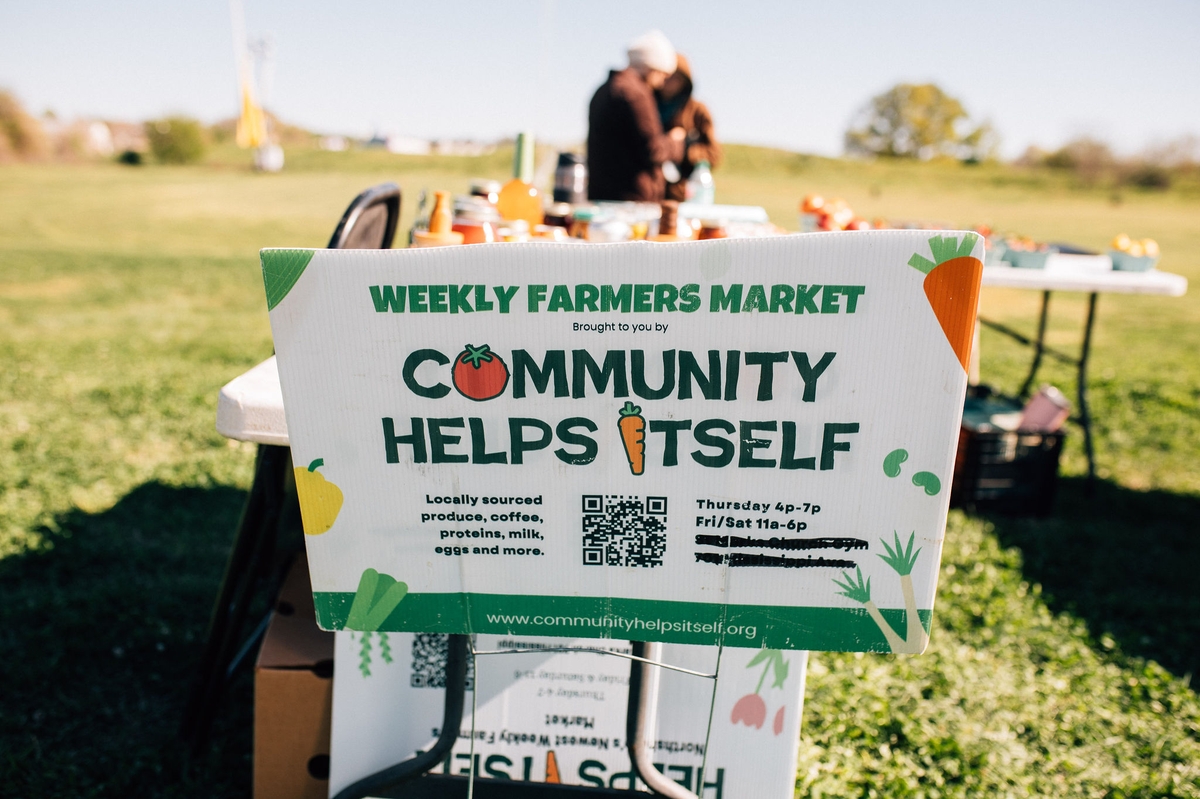
Sure, we may not have as much farmland, and we can barely scratch up two farmers' markets, but our potential is there.
Sacramento's We Are Farm to Fork offers its own food and farm plan. Academic papers. Economic viability.
Why can't we?
Story ideas, questions, feedback? Interested in partnering with us? Email: david@foodasaverb.com
This story is 100% human generated; no AI chatbot was used in the creation of this content.
food as a verb thanks our sustaining partner:
food as a verb thanks our story sponsor:
Rising Fawn Gardens
A revitalized Lincoln Park, the former epicenter — Satchel Page, Willie Mays – for African-Americans in Chattanooga and beyond.
Or a botanical garden — how perfect! — or ferris wheel in east Chattanooga.
How about a one-day spiritual trail winding through Chattanooga reminiscent of the El Camino in Spain? Call it "The Chattacamino."
All these ideas and more are registered as National Park City seeds, part of the movement to "grow the best place in the world to live."
We've written about this before. After Chattanooga was named the first National Park City (NPC) in North America comes the question: now what?
Friends of Outdoor Chattanooga tapped David Littlejohn, founder of Humanaut, to lead a "Seed Drive," where NPC-esque ideas are pitched and potentially funded.
Within this seed drive, he's trying to organize one particular seed drive for Local Food and Ag.
Saturday, April 25, is the seed pitch night, sort of like Shark Tank; pitched pitches will be whittled down to a smaller group, which will then go before potential funders. Littlejohn says this is ongoing work; not just a one-night-only type of funding.
I love a good collection of ideas. Reads like a Christmas list written by selfless, creative, engaged Chattanoogans. Most cities don't have this. Spoiled is not my tone here today.
But clarity is.
You can't plant seeds without soil and land that will hold them.
We don't need seeds.
We need land.
We need a larger container, a terra firma of tremendous public-and-private support that takes what exists — farmers, regional growers and infrastructure — and buttresses and sustains that.
Seeds won't grow without care and support. If the soil is inadequate and the grower's eye negligent, then no matter how pure the seed-idea is, there won't be a container available for its growth.
Ok, brass tacks, no more metaphors.
Does our region care enough about farmers, growers and an enhanced local food system?
Do our elected officials? Big business owners? Restaurant owners?
Regular, hard-working families?
Ideas like this may get funded into realities, but this is not expansive enough to initiate the real change needed to create a transformation — let's swing for fences as big as the downtown renaissance — that would uplift, elevate and prioritize locally-grown food as part of Chattanooga's core identity.
Initially, when Littlejohn announced this NPC funding-seed work, I was reserved but quietly wondering: is this the attention local food has waiting for?
For years, decades really, a group of local people have stayed loyal to this one question: how can we engage more of Hamilton County with food and drink that comes from local farmers and growers?
It feels like pushing a heavy stone up a mountain. Meanwhile, larger forces seem to conspire elsewhere.
Food deserts increase.
As grocery stores shut down.
Farmland disappears.
As land prices skyrocket and wages wilt.
Young farmers confess: we can't afford to grow the food we produce.
Food coalitions, food co-ops, permaculture experts, regenerative-ag farmers, old philosopher-agrarians, food policy experts, coalition founders, thoughtful chefs, bakers and more ... they're all trying to piecemeal together this work into a real, effective movement.
Yes, a movement.
But a movement isn't really what we have here, as one dear friend said recently. We have the potentiality of a movement.
I hope all these NPC ideas get funding. Loads of money, pouring into these gorgeous ideas and good citizen pockets.
How beautiful. What a rich, uplifting city with so many creative, engaged people in it. How fortunate we are.
But we cannot confuse the possibility of 10 ideas being funded for real attention.
We cannot confuse scraps from the table from a real place at the table.
Without a soilbed that is vast, responsive and deep, seeds may be planted, but will only grow within the context of limits, not fertile expansion.
I've heard mayors and politicians talk about many things over the years, but I can't recall them ever talking about agriculture or food.
In the last few decades, the city and county have funded homeless studies, gang studies, traffic studies, baseball stadium studies, but no regional food policy, no comprehensive food plan or government-led office or director.
Food! Farming! How do we forget this?
How do we learn to remember?
A Nashville man recently traveled to town. He works in the ag-industry, and visited — gleefully, I heard — several farms over several days, and it occurred to me as he was driving away: in this short time, he'd probably just visited more farms than all city and county mayors combined over the last 30 years.
Local food isn't taken seriously in this region.
To even begin this discussion is to unearth issues of living wages, land access and culture, my friend said.
Then comes this NPC seed idea that asks folks to create magnetic, meaningful pitches within a context of competition that pits farmer against farmer, each of whom would need to spend dozens of hours creating a Powerpoint pitch presentation that may only result in lost hours and lost wages.
You don't say this to people who can't afford to purchase the very food they grow.
We need the Deep State Chattanooga to get its hands in the hummus and soil. You know, the big funders, big names, big backers, from government to foundations to families, to get excited — giddy and gleeful — and taste spring lettuce or asparagus or strawberries grown from farmers whose hands they can shake, to slice knives into sausage from pigs on farms 20 minutes away, to awaken to the economic and cultural potential right here: the land and those who work it.
Jefferson called farmers our most valuable citizens.
What would it take for Hamilton County to agree?
Let's become the Farm-to-Fork Capital of the South.
Look at Sacramento.
Calling itself the Farm-to-Fork Capital of the US, Sacramento boasts — boasts proudly and loudly — of its agricultural identity:
- More than 40 farmers markets.
- A city surrounded by farmland.
- A bonanza of restaurants that truly — not a fable – are farm-to-table menus.
- A visitors and tourist bureau that actively promotes this identity.
Sure, we may not have as much farmland, and we can barely scratch up two farmers' markets, but our potential is there.
Sacramento's We Are Farm to Fork offers its own food and farm plan. Academic papers. Economic viability.
Why can't we?
Story ideas, questions, feedback? Interested in partnering with us? Email: david@foodasaverb.com
This story is 100% human generated; no AI chatbot was used in the creation of this content.
Food as a verb thanks our story sponsor:
Food as a Verb Thanks our sustaining partner:
Food as a verb thanks our story sponsor:
Join our table

keep reading