Master Bats, Matthiasson Wines, Vertical Farming and Readers Respond
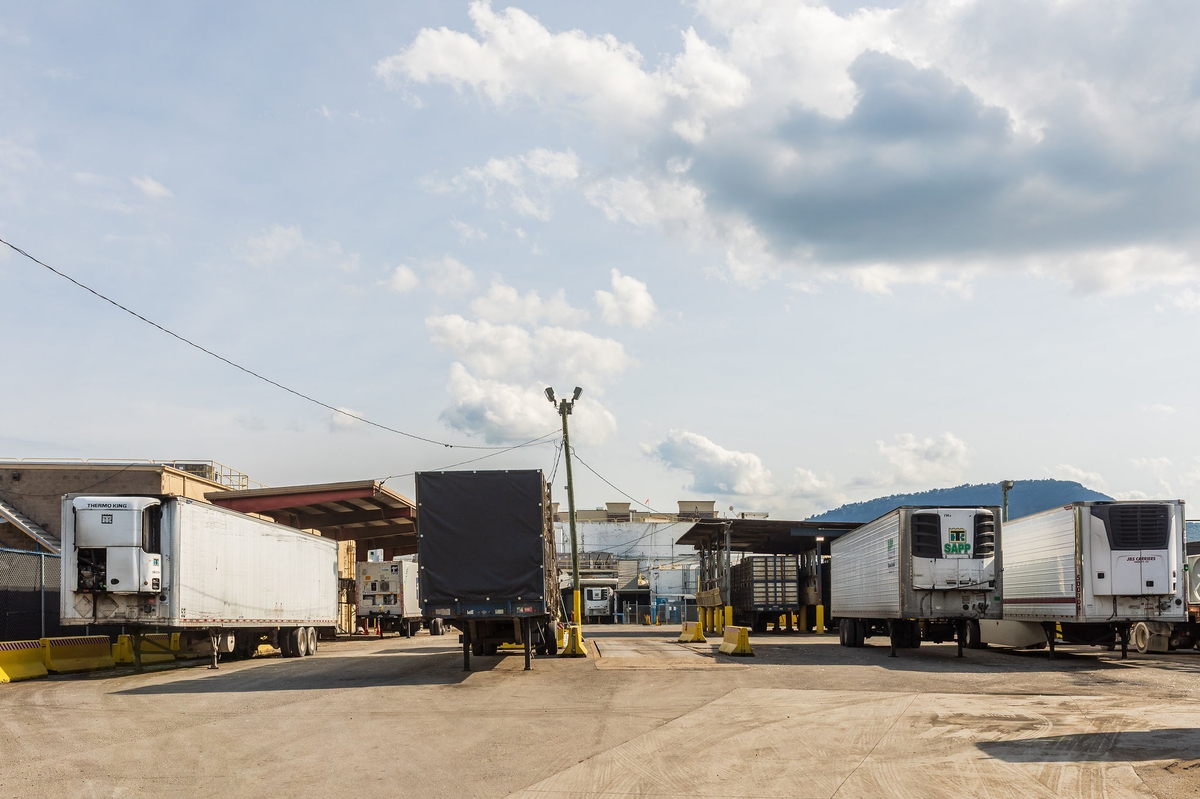
"Damn if I’m not looking forward to never smelling the chicken plant again."
Food as a verb thanks
for sponsoring this series

On Sunday, we published about Pilgrim's Pride closing.
A few of you sent responses. The closing made you think of others.
"The farmers in our area with Pilgrims contracts," said one reader.
"I visited one in Marion Co last week who has brooder houses. I wonder if they will see thinner margins because of increase in transport distance, or if the company plans to eat this expense. Which I would not anticipate.
"When we think about factory farming, it becomes this nameless faceless thing," she continued.
"Families and individuals are who produce the animals for companies like Pilgrims and Tyson. My uncle ... ran chicken houses for Tyson for decades until he retired a couple of years ago. The contracting process is pretty brutal from the producer end because of the constant facility updates that are required for their arbitrary codes.
"It’s a mixed bag - I truly feel for the folks who lost their jobs and worry for the farmers who may face increased input costs or a loss of contracts altogether.
"But damn if I’m not looking forward to never smelling the chicken plant again when they move out," she said. Hopefully this serves as yet another case for investing in the transition to regenerative agriculture."
Another reader emailed:
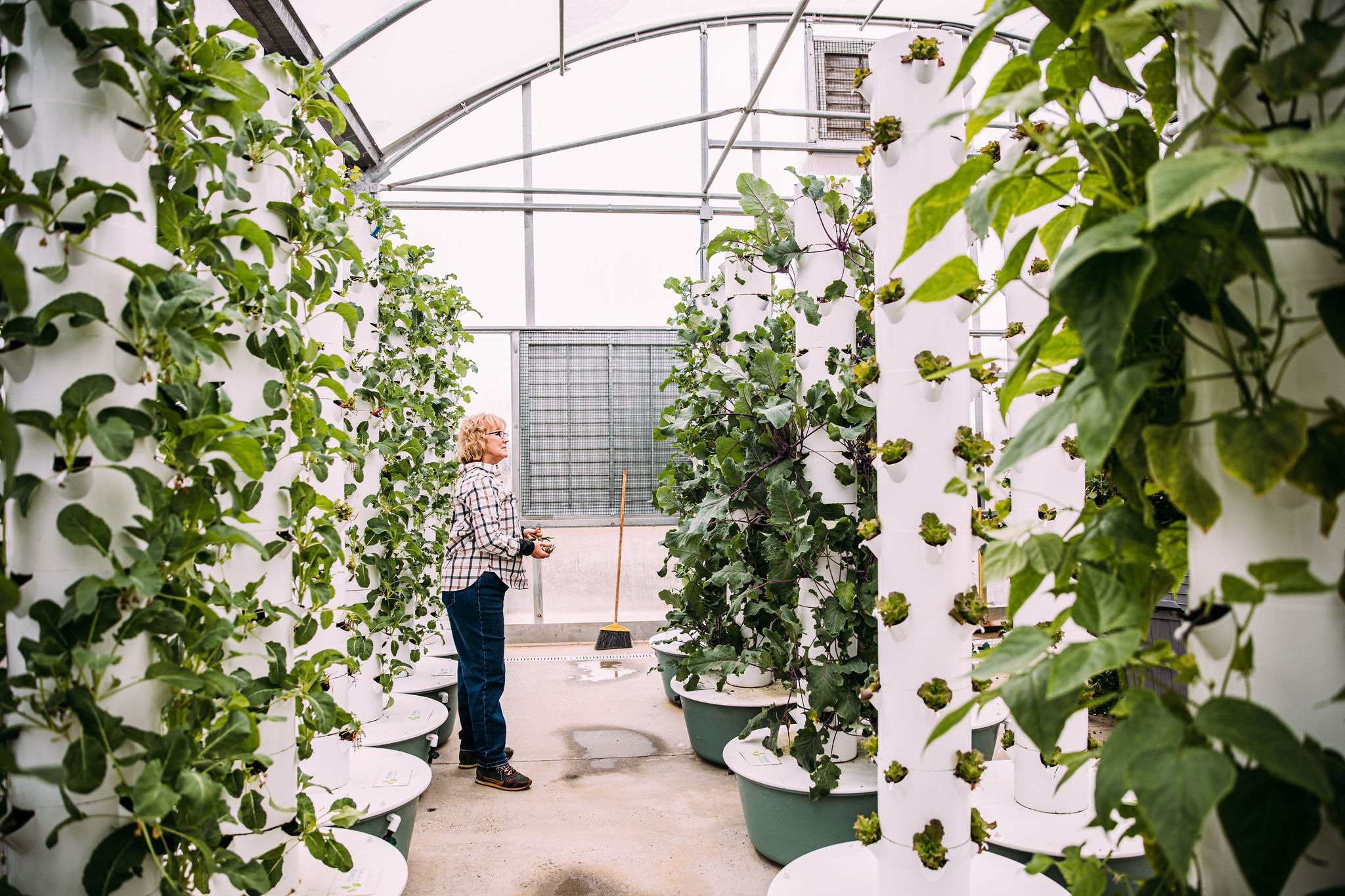
"My husband continually suggests the property should be converted to a large scale hydroponic and organic vegetable farm all indoors!
"Then you could employ some of the same types of local people to work there," she said. "Just an idea. Know of anyone interested in investing in a project like that?"
Oooh, I love this idea. Had had a similar daydream for years. Her email made me think of two things:
Our good friends Tara and Brad Smith at Fresh Tech Growers in Meigs County.
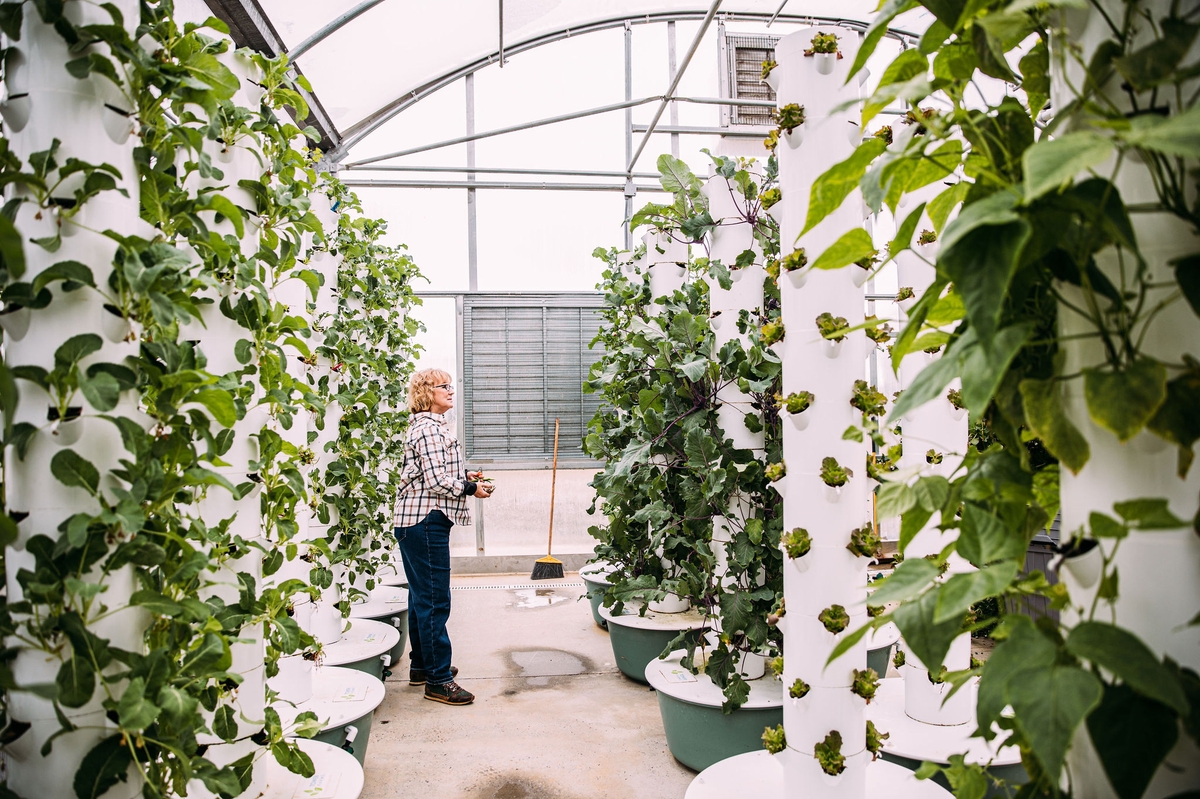
And this film which follows the story of Vertical Harvest Farms — an urban hydroponic farm — in Jackson, Wyoming.
It's a dreamy story, told from their website.
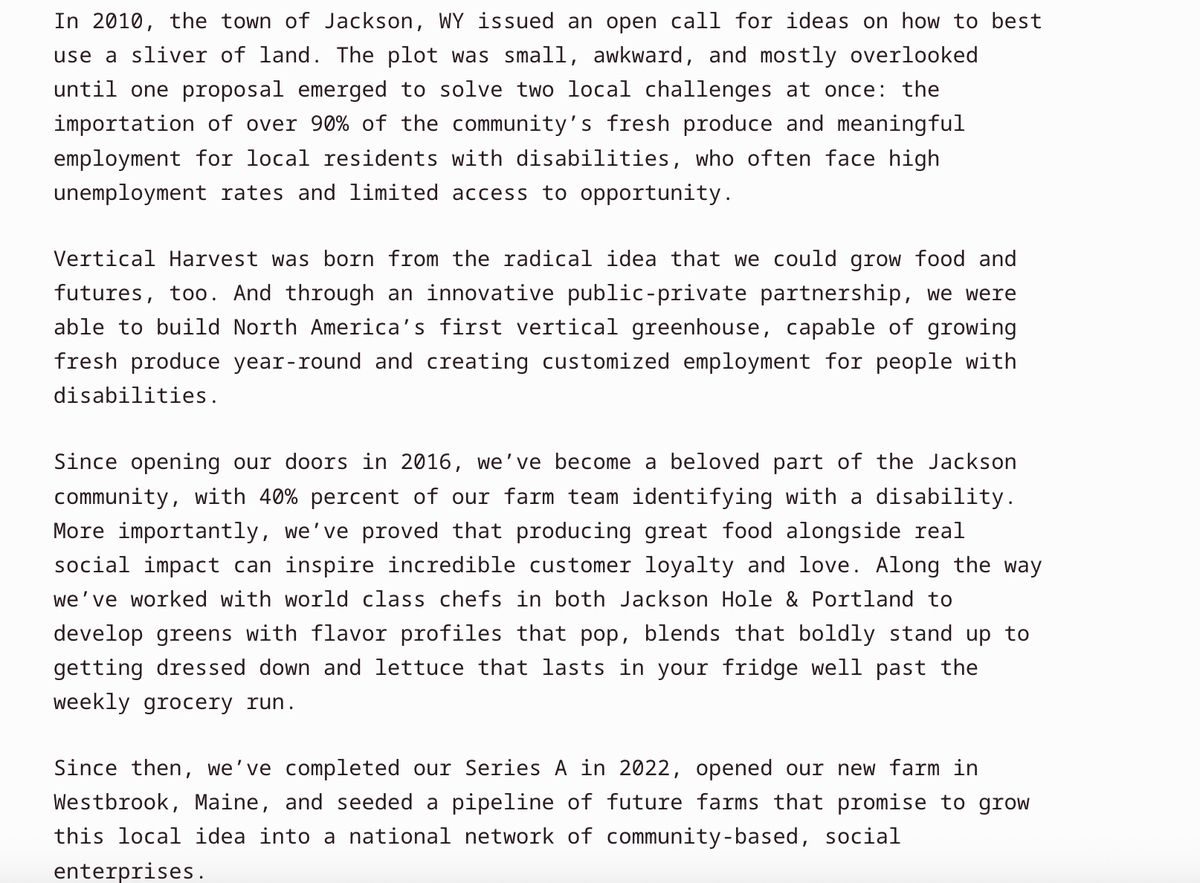
And, if I'm not mistaken, they could potentially help us here start our own version of this.
At the end of today's story, there's a summary of my correspondence with Vertical Harvest back in 2022.
Thinking of this also makes me wonder what is the ratio of downtown hotels to non-hotel buildings. One in five?
One more reader email:
"Great story on the duality of the plant. I especially think about every worker I saw in boots and hairnets walking home in southside or waiting on the bus line — will have a large impact on the remaining folks who used to live and work on the southside without a car. Just wanted to confirm - those USDA numbers are in 1,000 head, so it’s 9 Billion chickens a year. That’s, generously, more than 20 chickens per American a year. I don’t know the proportion going to human food, but that’s the majority endpoint - staggering numbers."
Well said.
Two events to announce:
This weekend at Reflection Riding, the 35-year-old Hamilton County Master Gardeners program is offering a Saving Bats One Yard at a Time class.
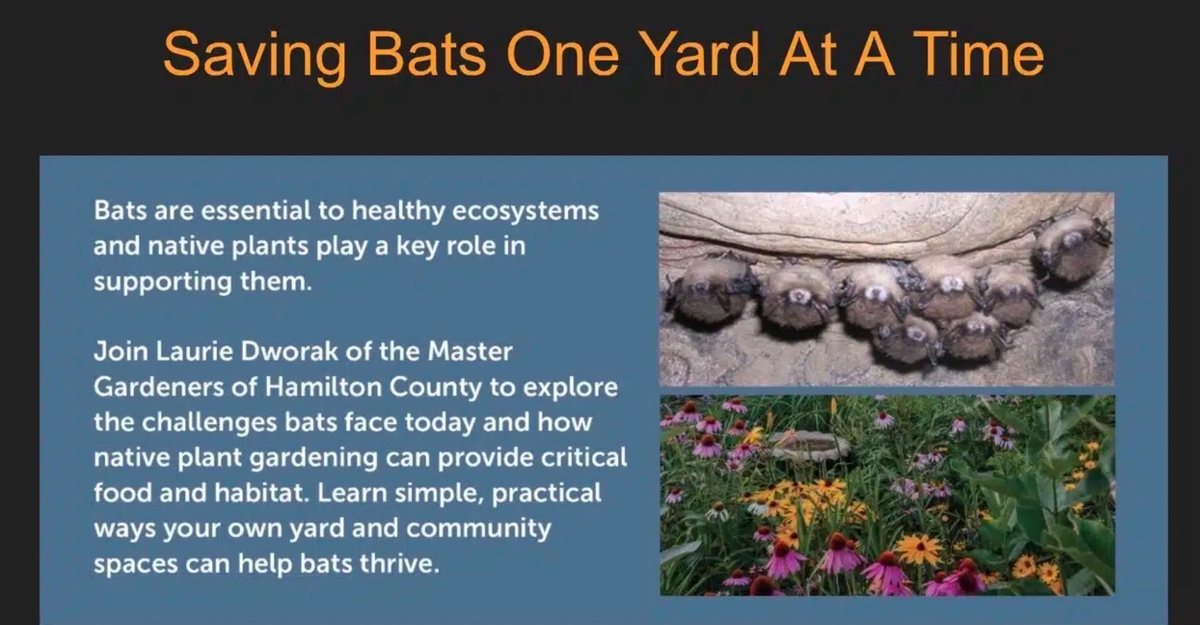
More info can be found here.
Then, next week — can you believe our 250th birthday is just days away? — Easy Bistro is hosting Matthiasson Wines sommelier Cappie Peete.
On Thursday, July 2 from 4 to 9 pm, Peete and Matthiasson Wines will offer a by-the-glass takeover and the option to pair the wines with Easy's "Chef's Choice" menu.
Plus, Cappie's bringing all her favorite Matthiasson wines behind the bar and in the dining room.
"One night only," the Easy folks said.
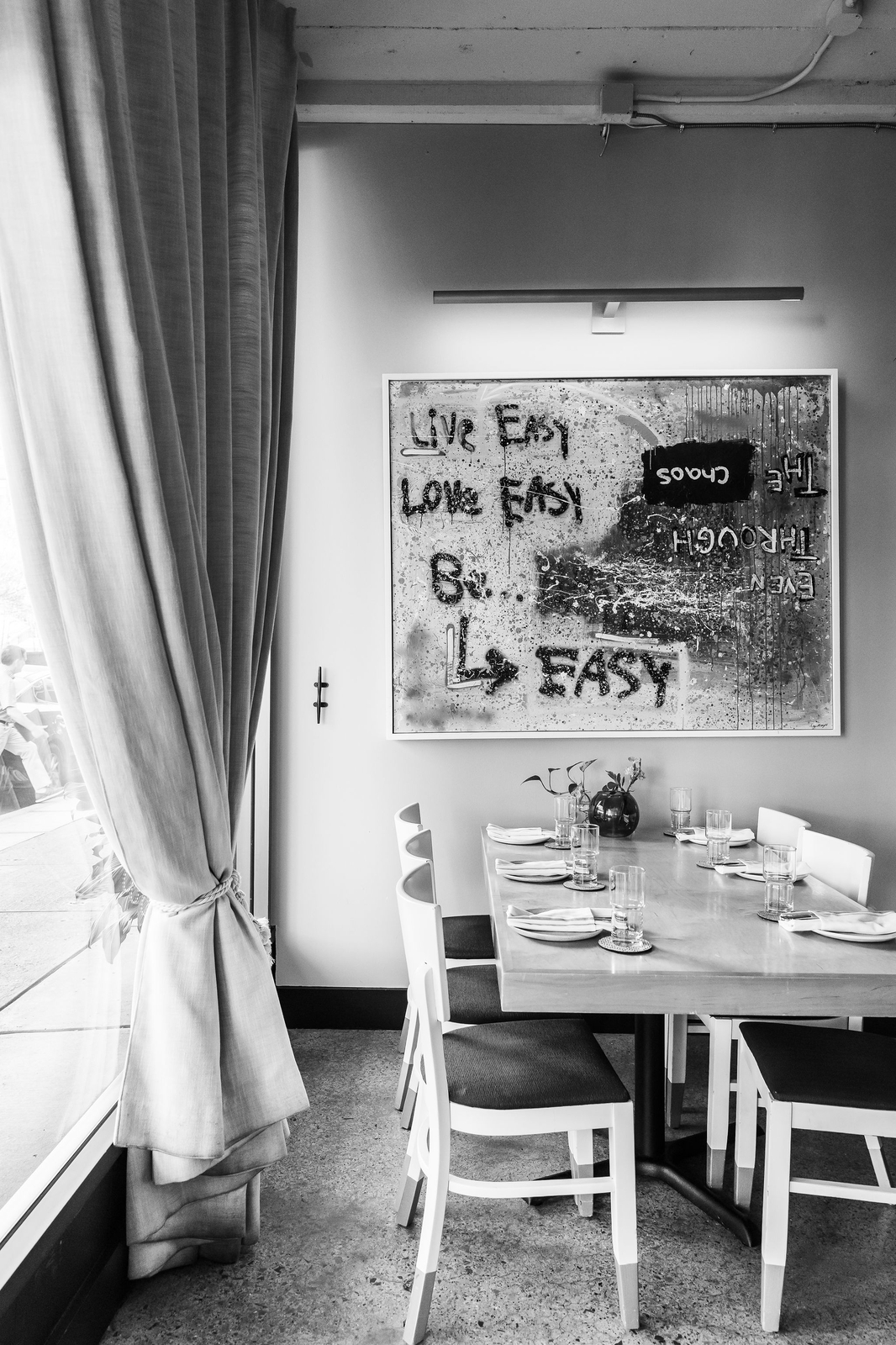
"Steve Matthiasson is a farmer first and a winemaker second. He is a six time James Beard Foundation nominee, and has been named winemaker of the year by Food & Wine & the San Francisco Chronicle. His wines represent “new California” and are incredibly food friendly," Easy's team said.
No tickets, but reservations — found here — are encouraged strongly.
Finally, Vertical Harvest again.
I saw that documentary a few years ago, and emailed back in 2022 with the question: could we do something like that here in Chattanooga?
I got a response. It's four years old, but ...
"While it is our intention to have a farm co-located with affordable housing in every urban community in America, lasting change takes time," Vertical Harvest responded. "We are currently working on a plan to develop up to 10 farms in the next five years and have developed a rigorous process to respond to the profound demand for this model across the country.
"Currently, we are working with stakeholders in multiple states to develop our farms."
Vertical Harvest required a few things in place before a replication application — what a good 80s band name — could even begin.
"All replication requests should be focused on sites in an urban/downtown area with a minimum of 1.5 to 2 acres containing the following information:
"Site information (location, dimensions, zoning designation confirming permitted uses for greenhouse and residential apartments)."
"Confirmation of whether the site is located in an Opportunity Zone by census tract."
"Site ownership and evidence of site control (purchase contract, binding letter of intent)."
"Survey of the Site showing as-is conditions."
"Available environmental reports."
"Letter of support from the municipality for a proposed Vertical Harvest Greenhouse and Affordable Housing development program."
We live in a city where it's far easier to build a downtown hotel than it is something like this.
But, we also live in a city where crazier things have happened. And all those hotels originate from the OG crazy idea (Aquarium + downtown + riverfront revitalization).
So, passing this along if it catches anyone's fancy.
See you Sunday.
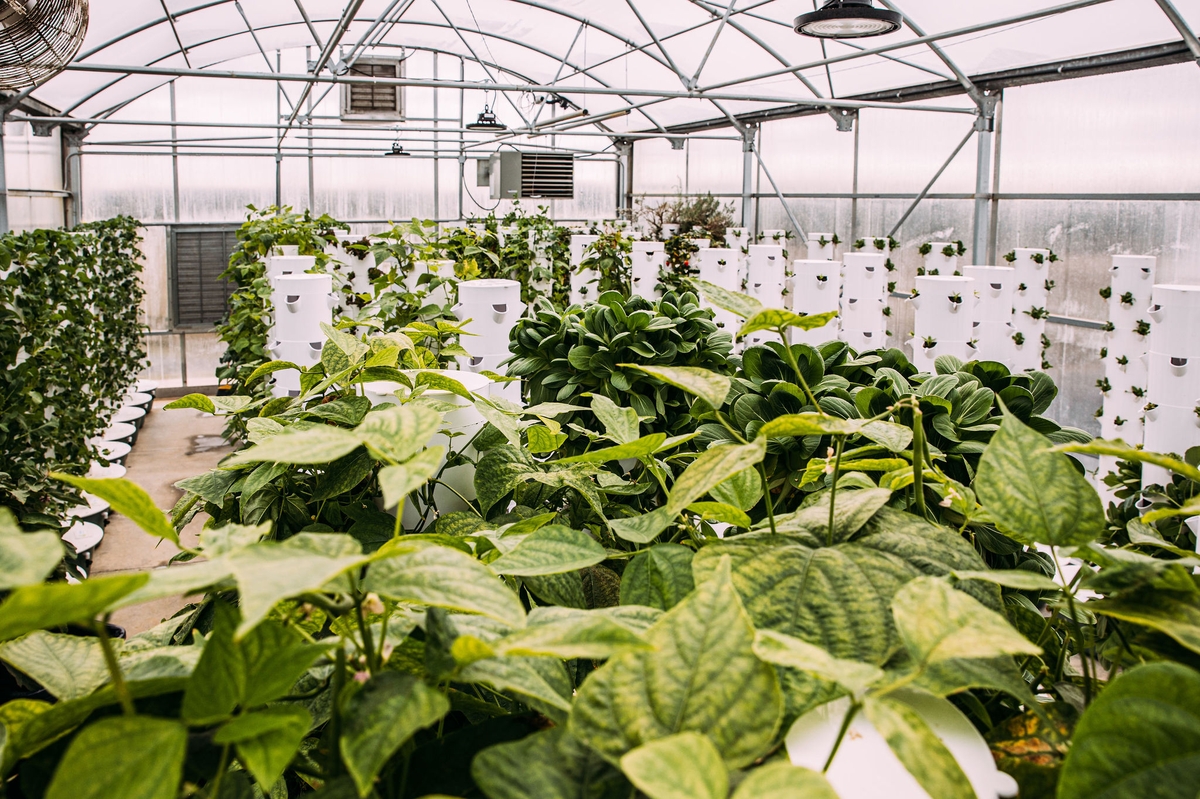
Oh yeah, just so you know: indoor vertical farming is gorgeous.
Story ideas, questions, feedback? Interested in partnering with us? Email: david@foodasaverb.com
This story is 100% human generated; no AI chatbot was used in the creation of this content.
food as a verb thanks our sustaining partner:
food as a verb thanks our story sponsor:
Reflection Riding
On Sunday, we published about Pilgrim's Pride closing.
A few of you sent responses. The closing made you think of others.
"The farmers in our area with Pilgrims contracts," said one reader.
"I visited one in Marion Co last week who has brooder houses. I wonder if they will see thinner margins because of increase in transport distance, or if the company plans to eat this expense. Which I would not anticipate.
"When we think about factory farming, it becomes this nameless faceless thing," she continued.
"Families and individuals are who produce the animals for companies like Pilgrims and Tyson. My uncle ... ran chicken houses for Tyson for decades until he retired a couple of years ago. The contracting process is pretty brutal from the producer end because of the constant facility updates that are required for their arbitrary codes.
"It’s a mixed bag - I truly feel for the folks who lost their jobs and worry for the farmers who may face increased input costs or a loss of contracts altogether.
"But damn if I’m not looking forward to never smelling the chicken plant again when they move out," she said. Hopefully this serves as yet another case for investing in the transition to regenerative agriculture."
Another reader emailed:
"My husband continually suggests the property should be converted to a large scale hydroponic and organic vegetable farm all indoors!
"Then you could employ some of the same types of local people to work there," she said. "Just an idea. Know of anyone interested in investing in a project like that?"
Oooh, I love this idea. Had had a similar daydream for years. Her email made me think of two things:
Our good friends Tara and Brad Smith at Fresh Tech Growers in Meigs County.
And this film which follows the story of Vertical Harvest Farms — an urban hydroponic farm — in Jackson, Wyoming.
It's a dreamy story, told from their website.
And, if I'm not mistaken, they could potentially help us here start our own version of this.
At the end of today's story, there's a summary of my correspondence with Vertical Harvest back in 2022.
Thinking of this also makes me wonder what is the ratio of downtown hotels to non-hotel buildings. One in five?
One more reader email:
"Great story on the duality of the plant. I especially think about every worker I saw in boots and hairnets walking home in southside or waiting on the bus line — will have a large impact on the remaining folks who used to live and work on the southside without a car. Just wanted to confirm - those USDA numbers are in 1,000 head, so it’s 9 Billion chickens a year. That’s, generously, more than 20 chickens per American a year. I don’t know the proportion going to human food, but that’s the majority endpoint - staggering numbers."
Well said.
Two events to announce:
This weekend at Reflection Riding, the 35-year-old Hamilton County Master Gardeners program is offering a Saving Bats One Yard at a Time class.
More info can be found here.
Then, next week — can you believe our 250th birthday is just days away? — Easy Bistro is hosting Matthiasson Wines sommelier Cappie Peete.
On Thursday, July 2 from 4 to 9 pm, Peete and Matthiasson Wines will offer a by-the-glass takeover and the option to pair the wines with Easy's "Chef's Choice" menu.
Plus, Cappie's bringing all her favorite Matthiasson wines behind the bar and in the dining room.
"One night only," the Easy folks said.
"Steve Matthiasson is a farmer first and a winemaker second. He is a six time James Beard Foundation nominee, and has been named winemaker of the year by Food & Wine & the San Francisco Chronicle. His wines represent “new California” and are incredibly food friendly," Easy's team said.
No tickets, but reservations — found here — are encouraged strongly.
Finally, Vertical Harvest again.
I saw that documentary a few years ago, and emailed back in 2022 with the question: could we do something like that here in Chattanooga?
I got a response. It's four years old, but ...
"While it is our intention to have a farm co-located with affordable housing in every urban community in America, lasting change takes time," Vertical Harvest responded. "We are currently working on a plan to develop up to 10 farms in the next five years and have developed a rigorous process to respond to the profound demand for this model across the country.
"Currently, we are working with stakeholders in multiple states to develop our farms."
Vertical Harvest required a few things in place before a replication application — what a good 80s band name — could even begin.
"All replication requests should be focused on sites in an urban/downtown area with a minimum of 1.5 to 2 acres containing the following information:
"Site information (location, dimensions, zoning designation confirming permitted uses for greenhouse and residential apartments)."
"Confirmation of whether the site is located in an Opportunity Zone by census tract."
"Site ownership and evidence of site control (purchase contract, binding letter of intent)."
"Survey of the Site showing as-is conditions."
"Available environmental reports."
"Letter of support from the municipality for a proposed Vertical Harvest Greenhouse and Affordable Housing development program."
We live in a city where it's far easier to build a downtown hotel than it is something like this.
But, we also live in a city where crazier things have happened. And all those hotels originate from the OG crazy idea (Aquarium + downtown + riverfront revitalization).
So, passing this along if it catches anyone's fancy.
See you Sunday.
Oh yeah, just so you know: indoor vertical farming is gorgeous.
Story ideas, questions, feedback? Interested in partnering with us? Email: david@foodasaverb.com
This story is 100% human generated; no AI chatbot was used in the creation of this content.
Food as a verb thanks our story sponsor:
Food as a Verb Thanks our sustaining partner:
Food as a verb thanks our story sponsor:
Join our table

keep reading