.jpeg)
Lower Alabama Oyster Chronicles: Part One
I don't remember my first burger, but I do remember my first dozen on the half-shell.
Food as a verb thanks
for sponsoring this series

I ate my first oyster as a boy, sitting at a Panama City Beach bar. We came in straight from the beach, white sand trailing a line out of our tennis shoes like Hansel and Gretel had gone to the Gulf.
My dad ordered a dozen raw oysters. The big cold platter, with working class accessories: Saltines, a little fork, Tabasco, the bottle crusty with dried sauce around the rim. I don't remember which I impacted me more: the oysters themselves or the rush-thrill of eating them.
We'd come from Chattanooga. The oysters, probably Apalachiacola. The joint was like the anti-Mt. Vernon — that buttoned-up Broad St. restaurant where the atmosphere always felt like Sunday after church — with flip-flops, Harleys right-angled outside, bar speakers playing Buffett or .38 Special or Skynyrd.
Raw oysters felt outlawed to me, like I was breaking rules by eating them, the shellfish equivalent of a Budweiser sipped at 14, which also may or may not have happened at the "Guff." I don't remember my first burger or steak, but I do remember my first dozen on the half-shell.
One side of my family tree — profoundly anxious, hypochondriac — thought they were dangerous and dire. Months ending in "R." E. coli. That sort of thing.
The other half — carefree, blithe, unaware — didn't think twice.
I was stuck in the middle of enormous tidal shifts and family dynamics, trying to learn which half of the world to open to, and what to close to. My heart, too, was bivalved. Somewhere inside, a shell had begun to grow.
I'd later learn that the oyster was the perfect animal — is the oyster my spirit animal? — for moments and questions like these.
Even then, more than 40 years ago, I was asking the same questions as these oysters.
What do I open to?
Where do I attach my identity to?
When do I close off from the world?
In bays, oceans and estuaries across the world, oysters are living teachers, fascinatingly resilient and part of our firmament.
"The oyster was here before we were. Before once upon a time," writes writes Drew Smith in his beautiful Oyster: a Gastronomic History.
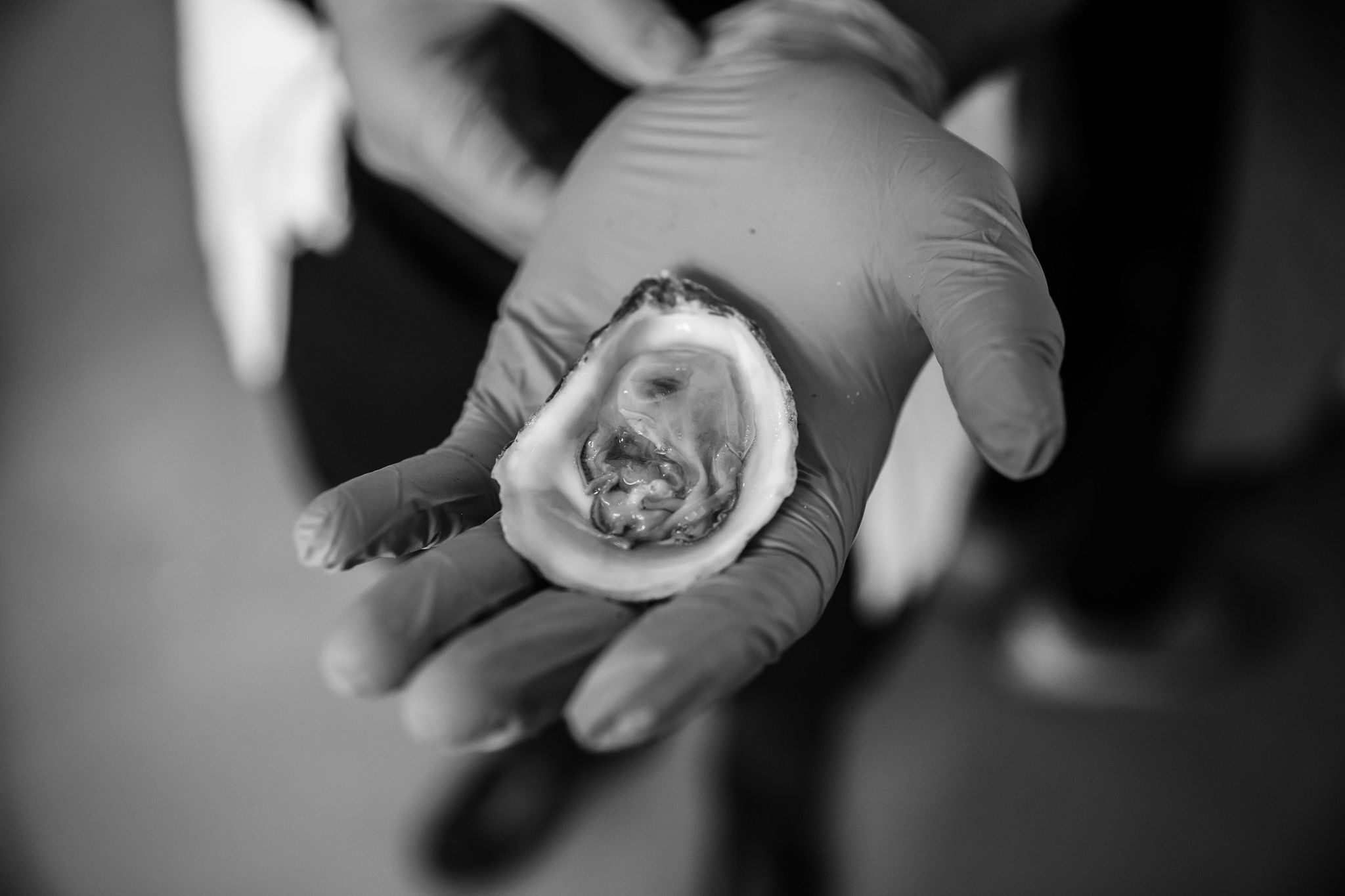
The oyster is a bivalve shellfish, part of the mollusk family. Most of life follows one grand rule: symmetry.
"Not the oyster," Smith writes.
"The two sides of an oyster shell are completely different. The top shell is flat, or flatter; the lower side is cupped and sagged because all the conchiolin has leached downward by force of gravity. And even though an oyster may choose to grow vertically as well as horizontally, the effect is the same. The explanation is simple, but it has no parallel in the universe."
Canadian oysters have been known to live for 100 years. Ancient Greeks would tally their vote on oyster shells, Smith documents. Ostrea is Greek for "to leave out." Early colonists found them, well, everywhere.
They're bisexual, "meaning they can change from one sex to the other at will," Smith writes. And nobody's really sure why.
They have eyes. Gills. They contain an abundance of nutrients. They possess a prolific ability to attach.
"Bricks, boats, cans, tires, bottles, even crabs and turtles ... tiles, ropes, sticks, rafts, or bamboo," Smith writes.
And they're highly sensitive and attuned. Here's Smith:
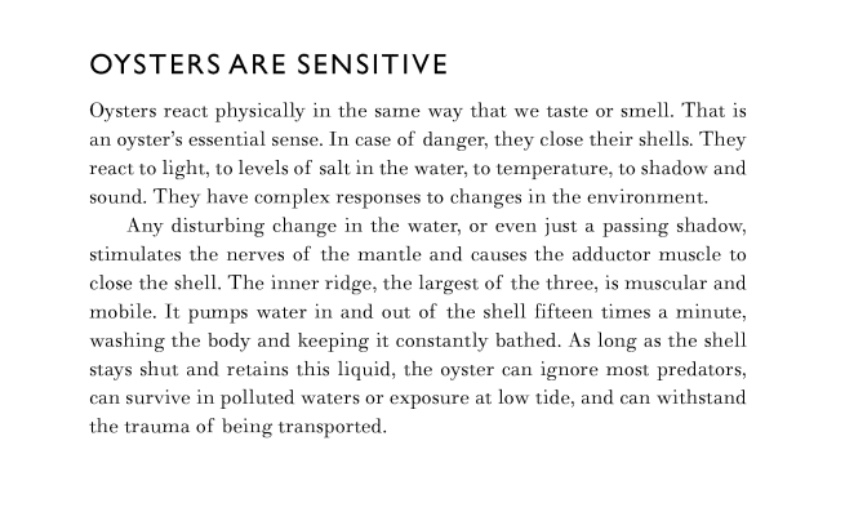
Most of all, they are survivors. They endure, opening and closing through eons of tides, storms and change.
"The oyster is the one stable creature in an otherwise completely changing estuary environment," Smith declares.
"Where everything else moves," he writes, "the oyster stays still."
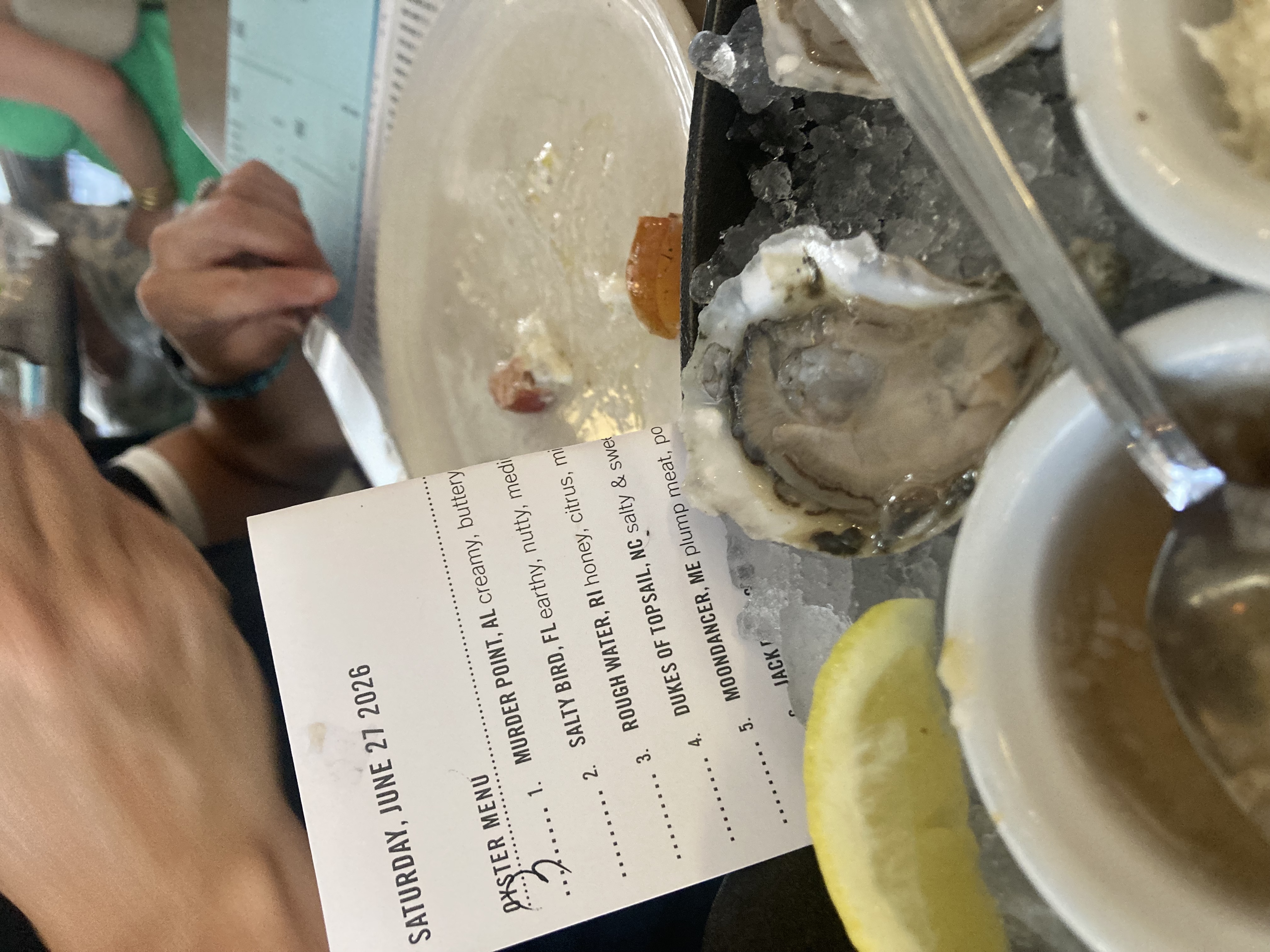
Four decades after those first raw shots, I walked into another bar: Easy Bistro in Chattanooga.
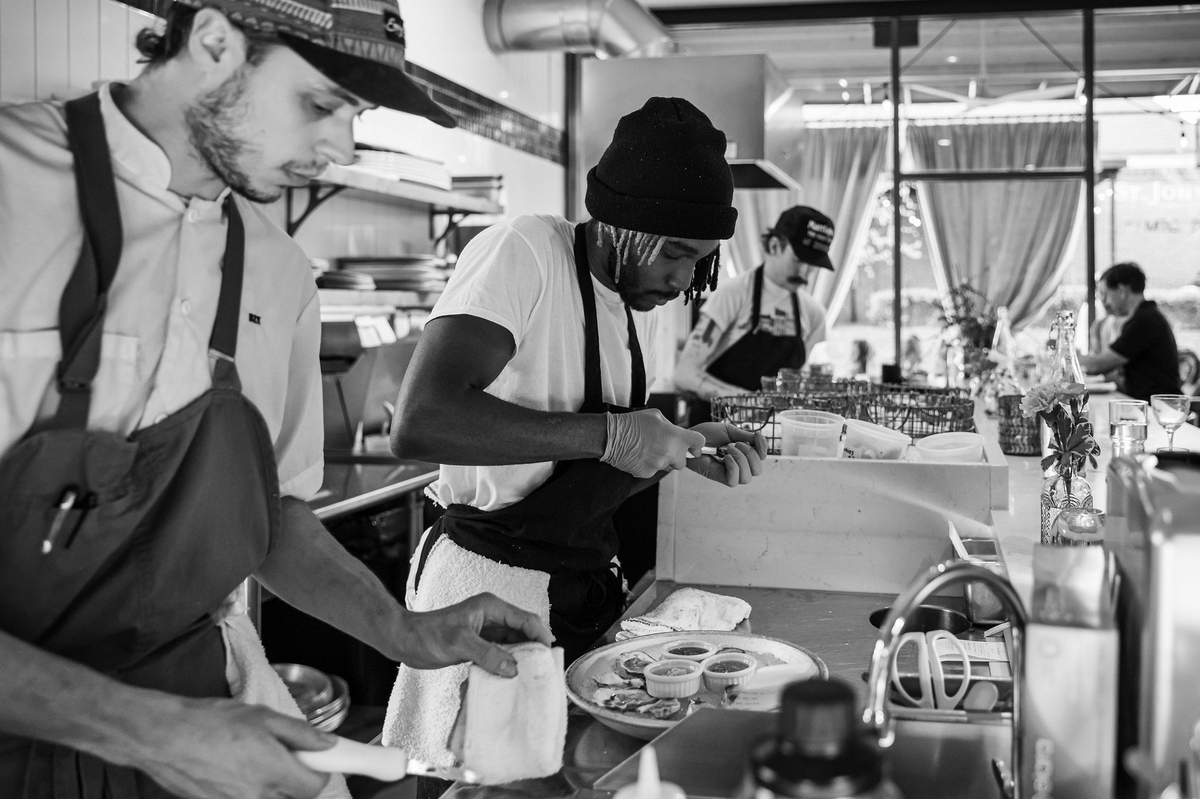
There, the oyster has been foundational since Easy's beginning, 20 years ago. (Is the oyster Easy's spirit animal, too? Consider all the downtown storms: Easy and its oysters have remained steady.)
For Chef Erik Niel, the oyster was tricky and symbolic of the chef's dilemma: could he introduce oysters at a landlocked restaurant 400 miles from the ocean? Without crackers? Or Skynyrd?
Now, 20 years in, with Michelin and James Beard awards, Chef Niel continues to offer raw oysters.
And at the top of his raw bar menu?
Oysters from Murder Point, Alabama.
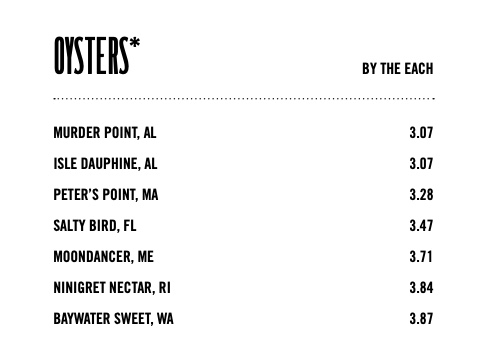
Well, well, I thought, seeing that a few years ago.
I know Murder Point.
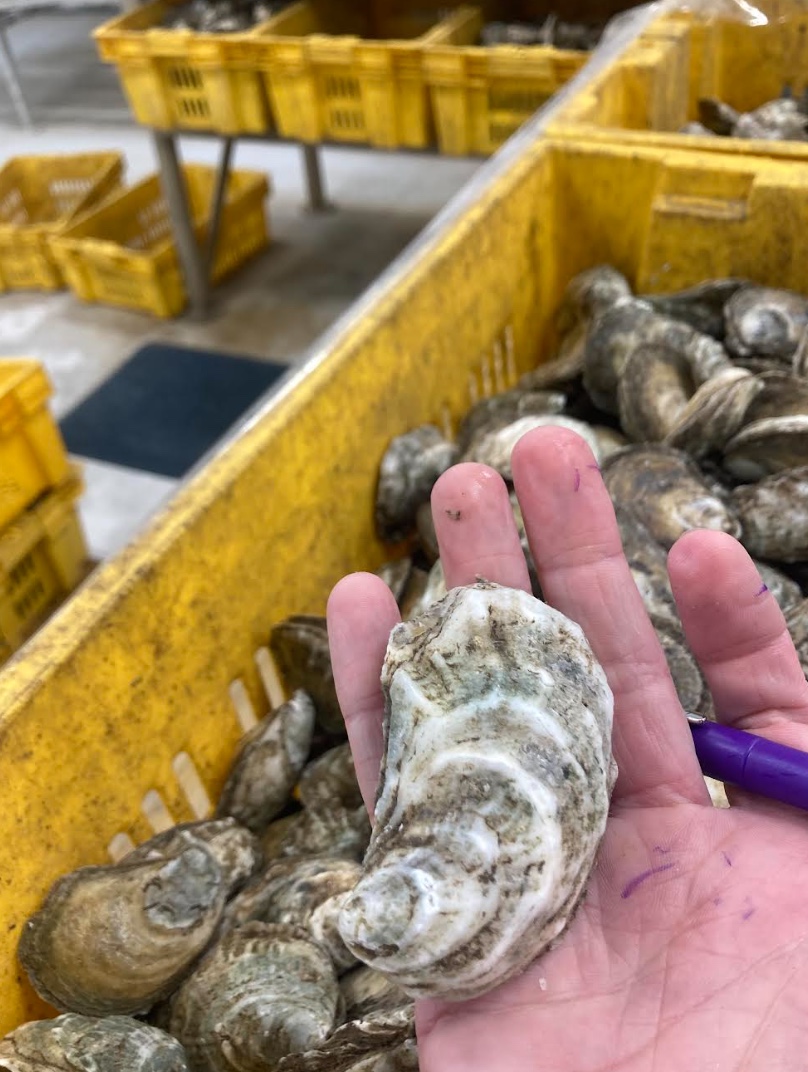
The Cooks come from lower Alabama; Murder Point's just down the road from the old home place.
Inside, an old connection stirred. Hmm ... I just wonder ....
Could Food as a Verb draw the storyline between Easy and Murder Point, Alabama?
I filed the idea away. Then, opportunity: my daughter was headed to Alabama to meet friends and wanted some company for the ride down.
Want to roadtrip? she asked.
I called up Lane Zirlott, owner of Murder Point Oysters, who was as generous and inviting.
Come on down, he said.
And just like that, the heart opened. Not long ago, we headed South, two generations returning to the heart of Alabama.
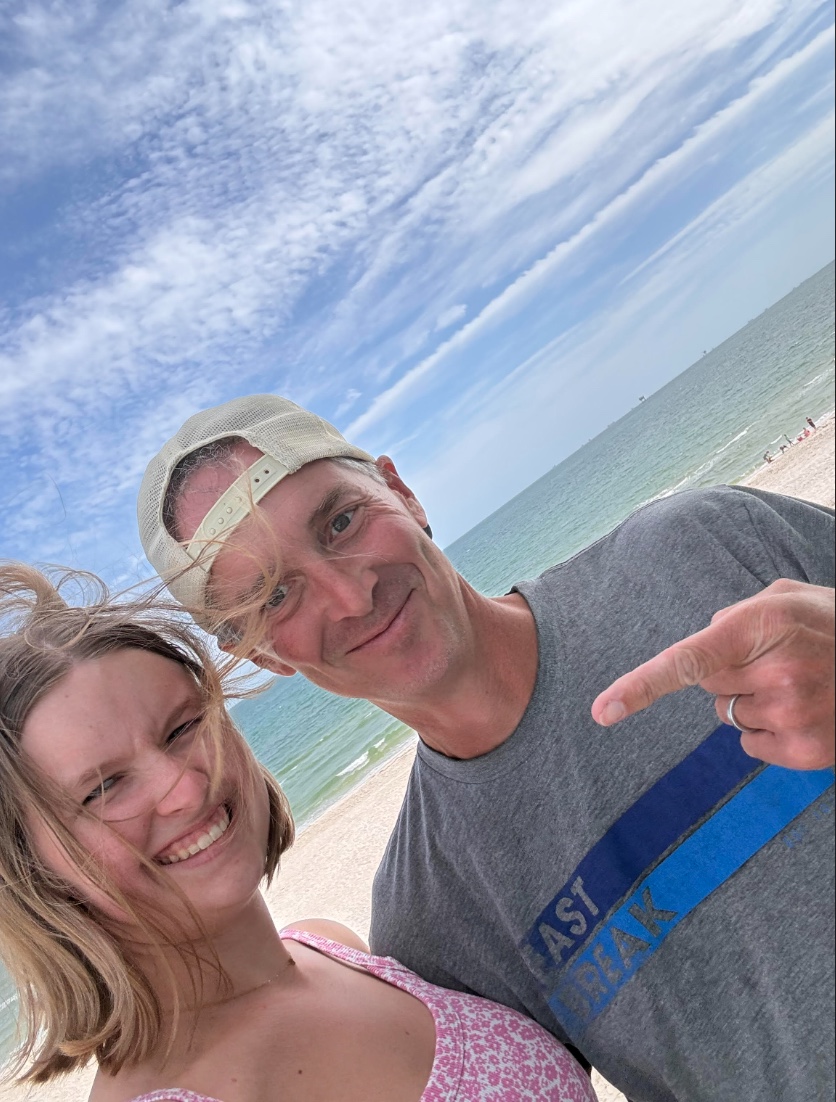
Not rocketship Huntsville, not golf courses in Mtn. Brook, but the rural, thick-heat flatlands of lower Alabama where poverty runs and runs like a river with no end.
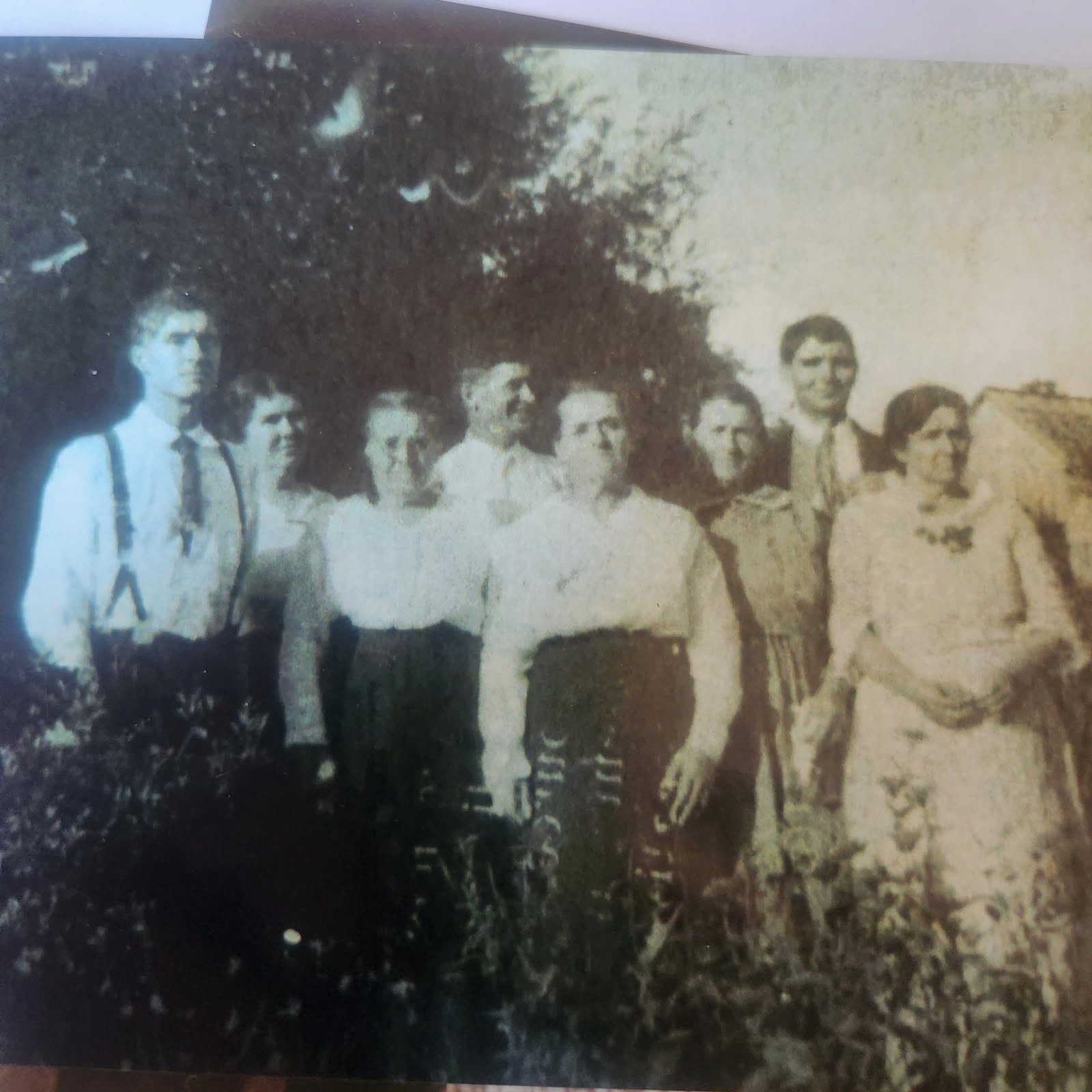
We stopped to see family, three generations of Cooks in one living room, all of us hailing from these German and British immigrants, who, two centuries ago, attached themselves to this Alabama flatland and farmed and drank and birthed and buried and fought their way into the 19th and 20th centuries.
Back on the road, we kept driving South. Long miles, conversations, questions: her own sensitive, bivalved heart learning to endure, her own different shell growing inside.
What do I open to?
What do I attach my identity to?
When do I close off from the world?
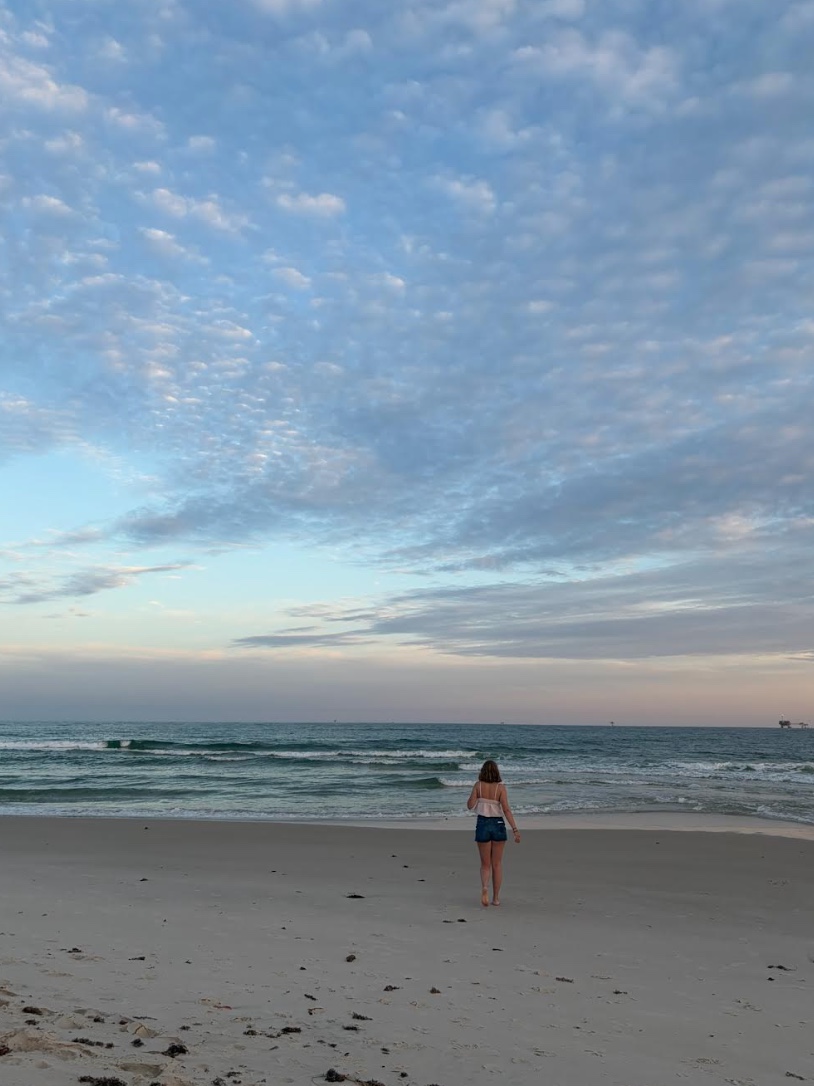
Near the Gulf, we parted ways: my daughter met her friends, and I kept heading further South, past Mobile.
Internally, I had set my intention: keep my oyster heart open.
When you travel solo, without places to be, or times to be there, time sort of shifts. You can encounter things you might otherwise miss.
Big claims, big boasts.
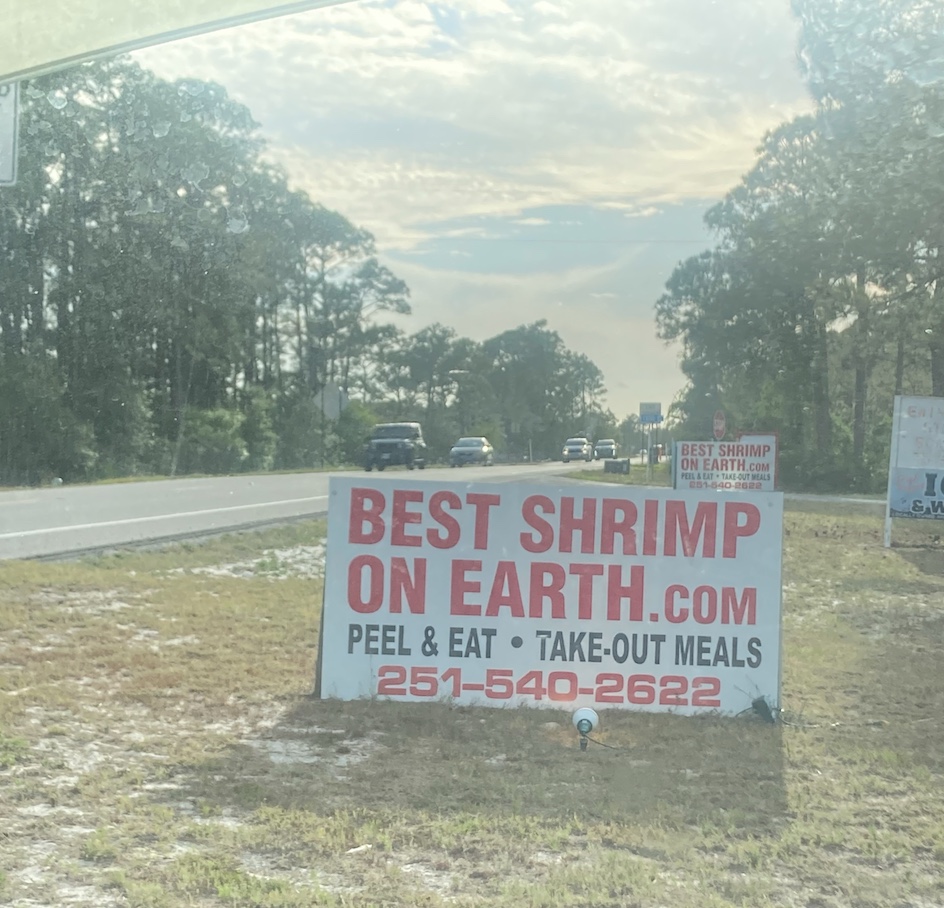
Strangers who weren't really. If you want to hate America, watch the news, the saying goes.
If you want to love America, drive across the country.
Waiting inline at the Dauphin Island ferry, I met two members of a motorcycle gang.
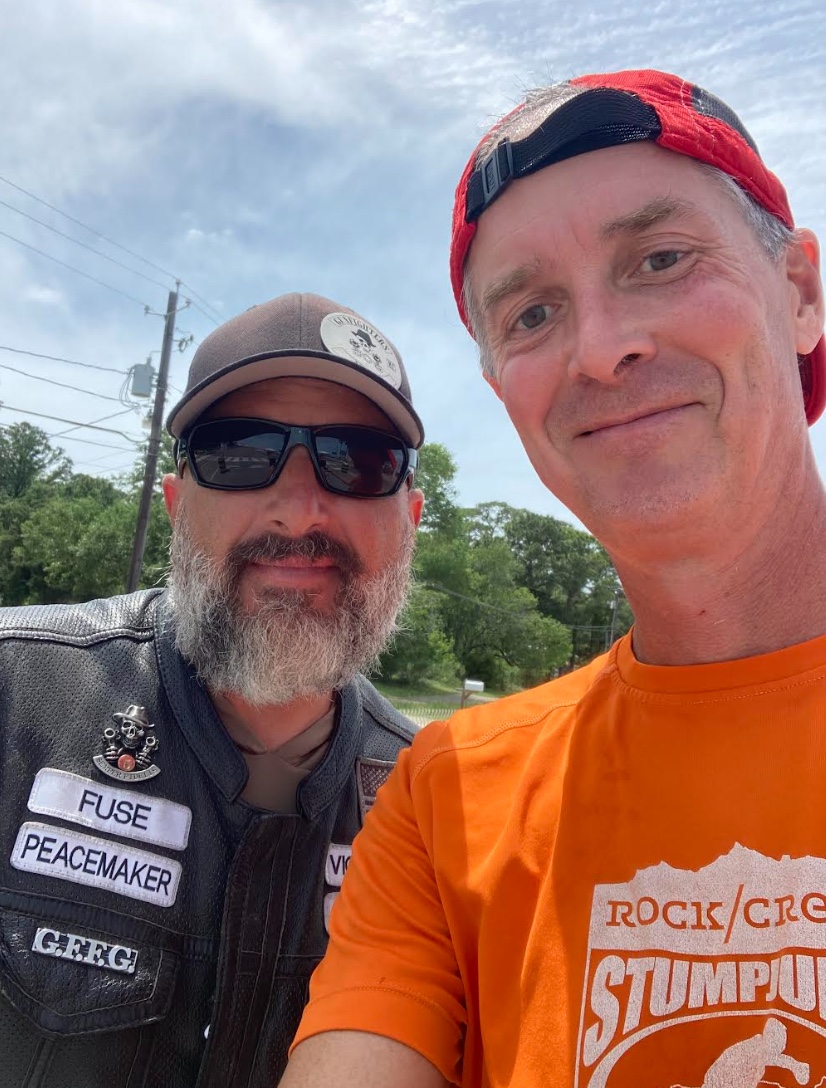
His name is Fuse ...

... who, turns out, was actually a police officer from Miami and supremely kind.
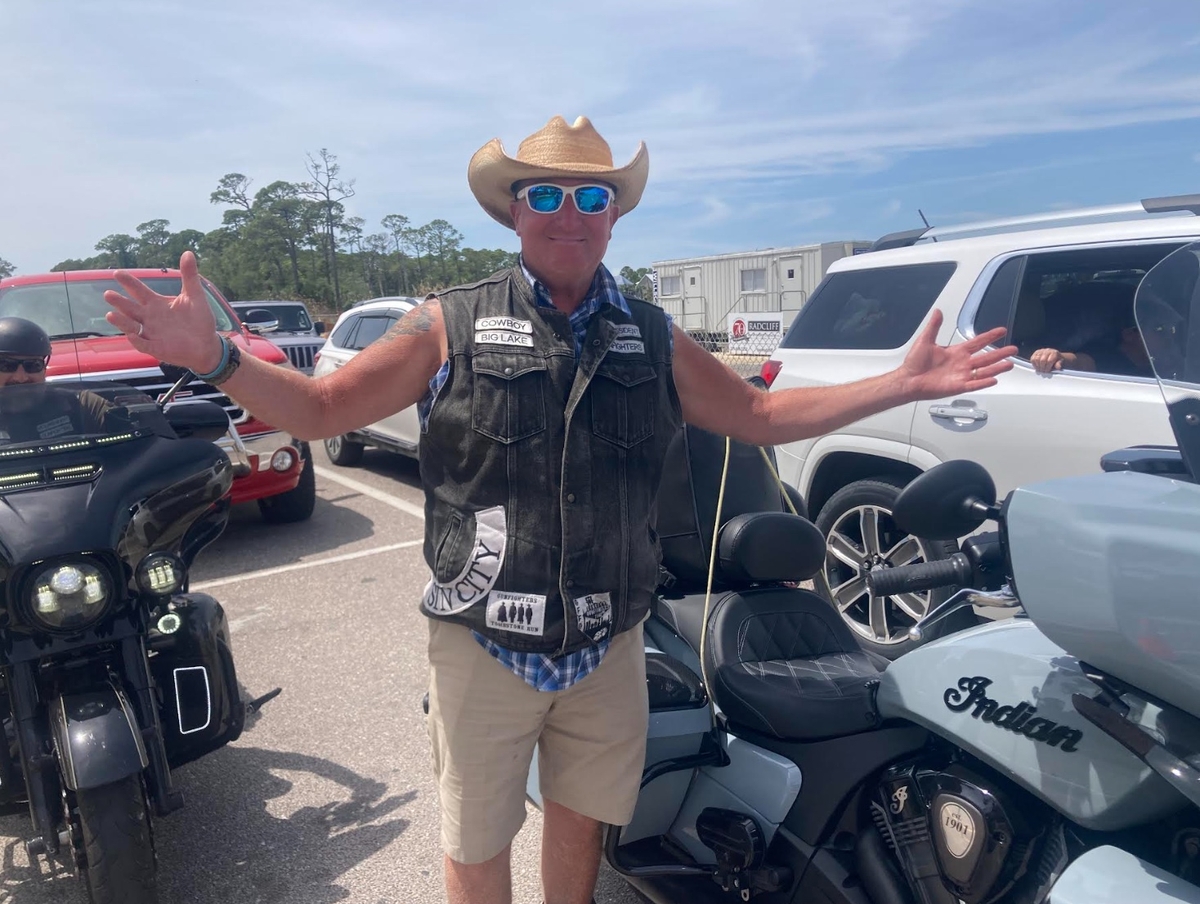
And his best bud, Cowboy.
"I'm a Cowboy," he said, "on an Indian."
On the Dauphin Island beach ...
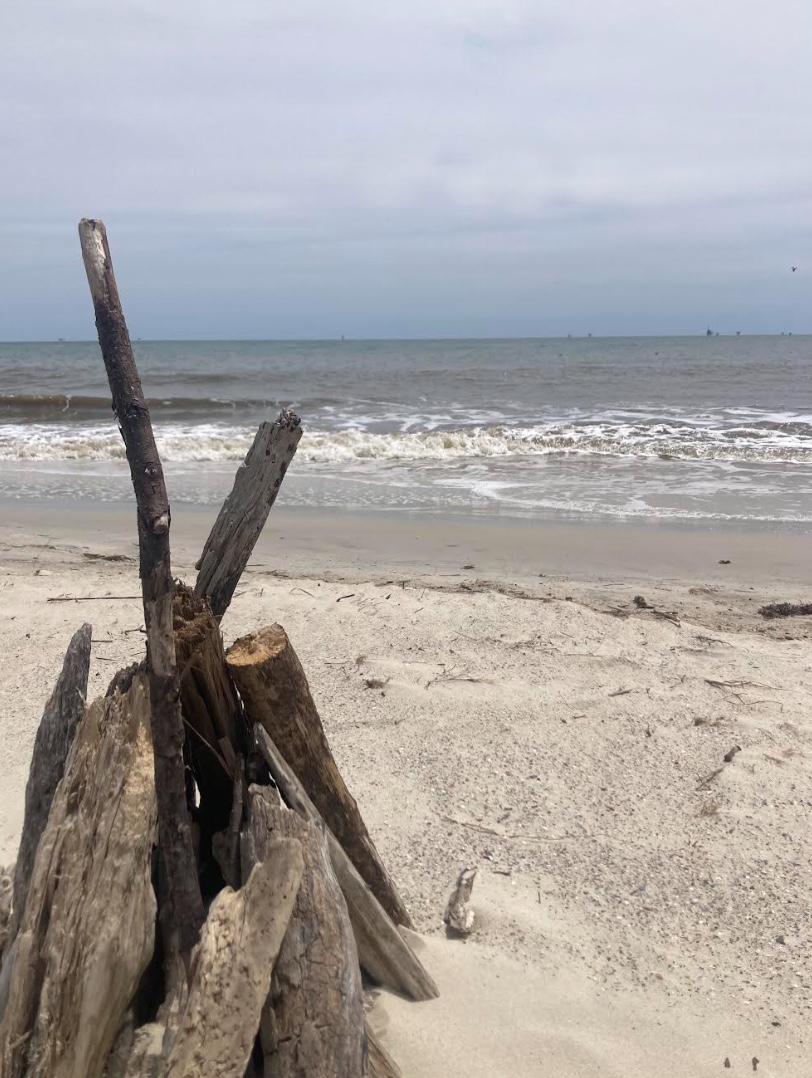
... I found a woman who came out every day to search for shark's teeth.

Then, one morning, I woke up early, hoofed it past Mobile, then onto backroads — auto parts stores, nail salons, Baptist churches where folks park in the bermudagrass — leading to Bayou La Batre, Alabama.
I got turned around, and turned around again.
Then, I saw the license tag on a big Ford.
I knew I was in the right spot.
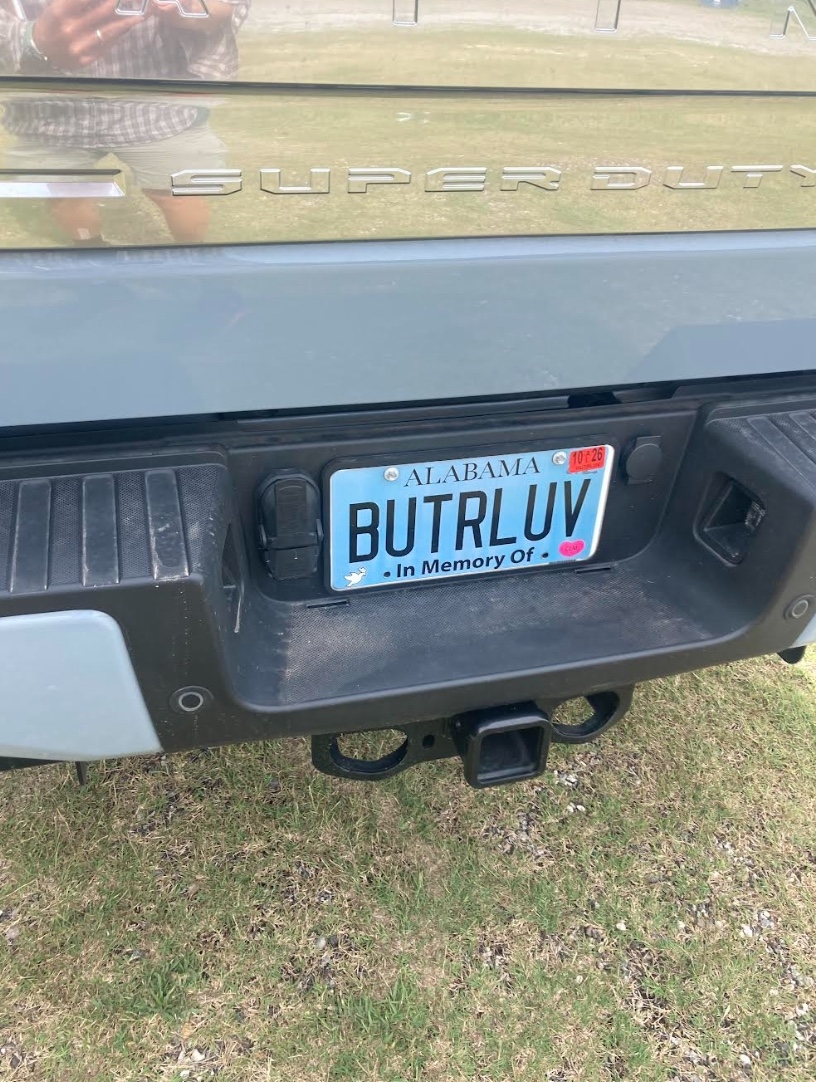
Butter Love, the tagline-motto of Murder Point Oysters.
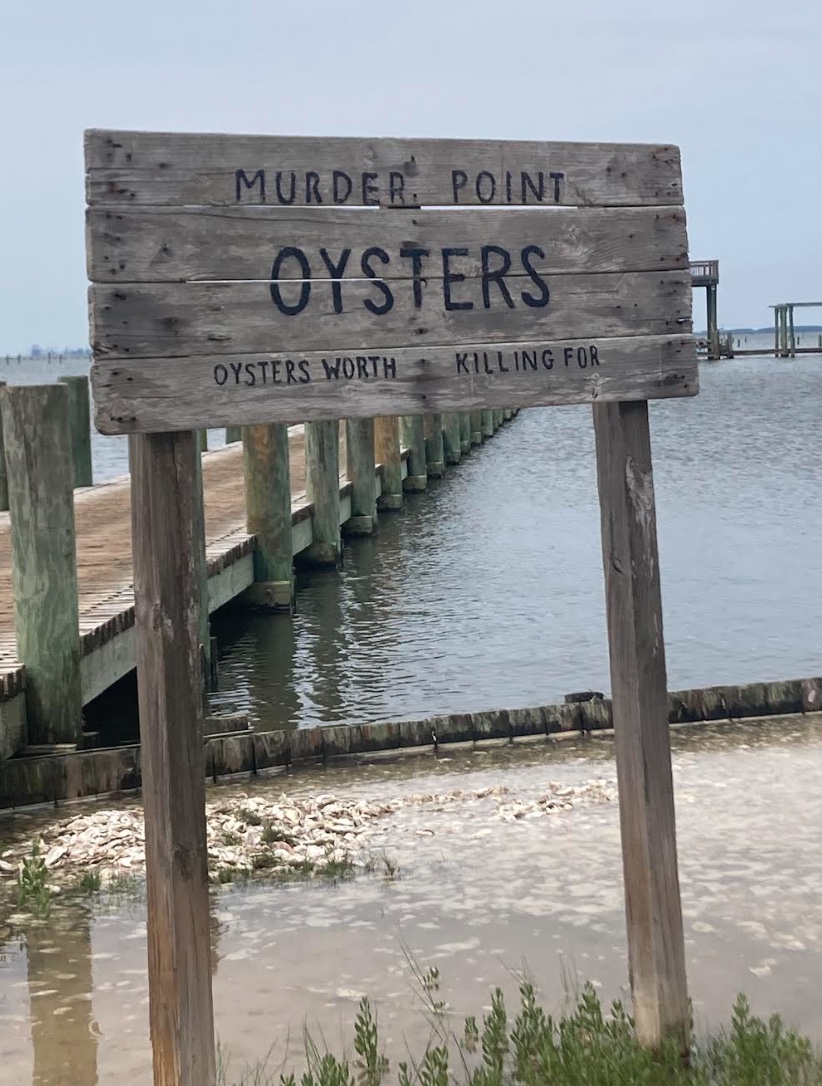
I spent the morning with Lane Zirlott, touring the Murder Point farm and hatchery, learning and listening: his story and the stories of millions and millions of oysters in the bay around me.
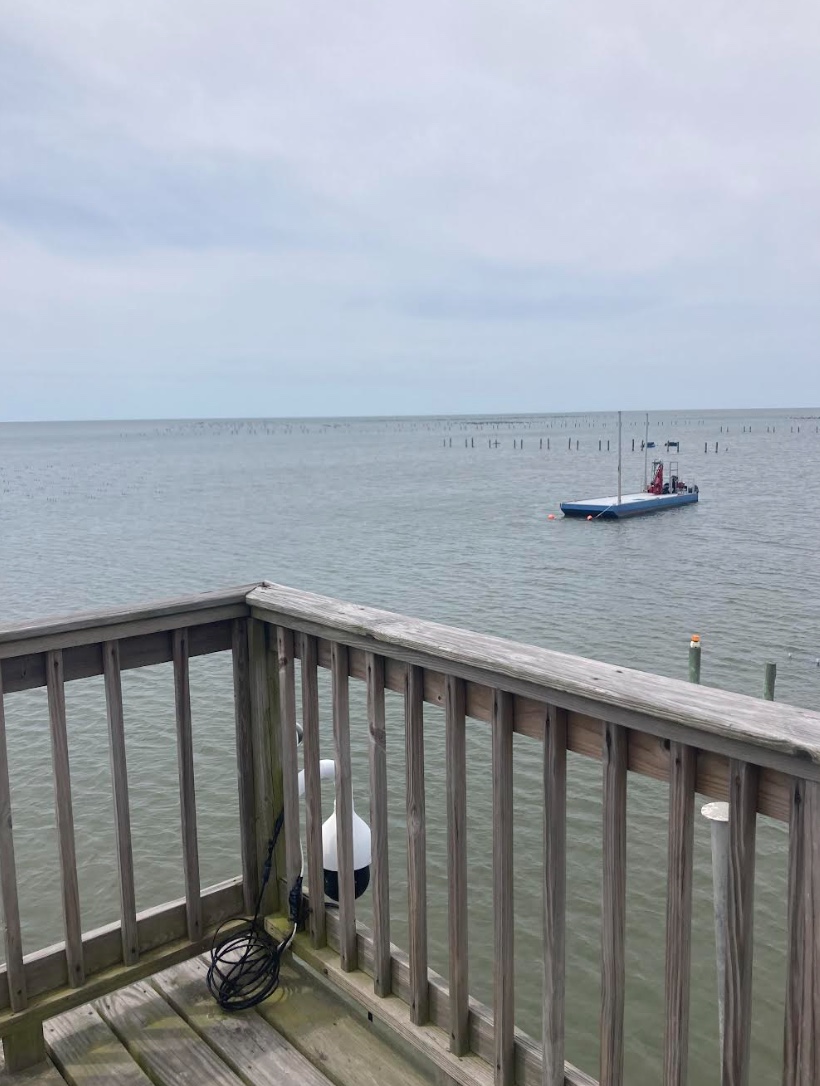
How did he harvest them? And grow them? Where do their shells come from? How did he start farming? How many are you selling and where?
(You can listen to our podcast interview here.)
Then, near the end of our day, Lane opened up about the one thing nobody's ever asked him about.
"The struggle," he said.
Yeah.
Bivalve, struggling hearts, all of us. Out in the bay, millions of Murder Point oysters were opening-closing, sensitive to the world around them, surviving and enduring.
What do I open to?
This.
Next Sunday, our story continues.
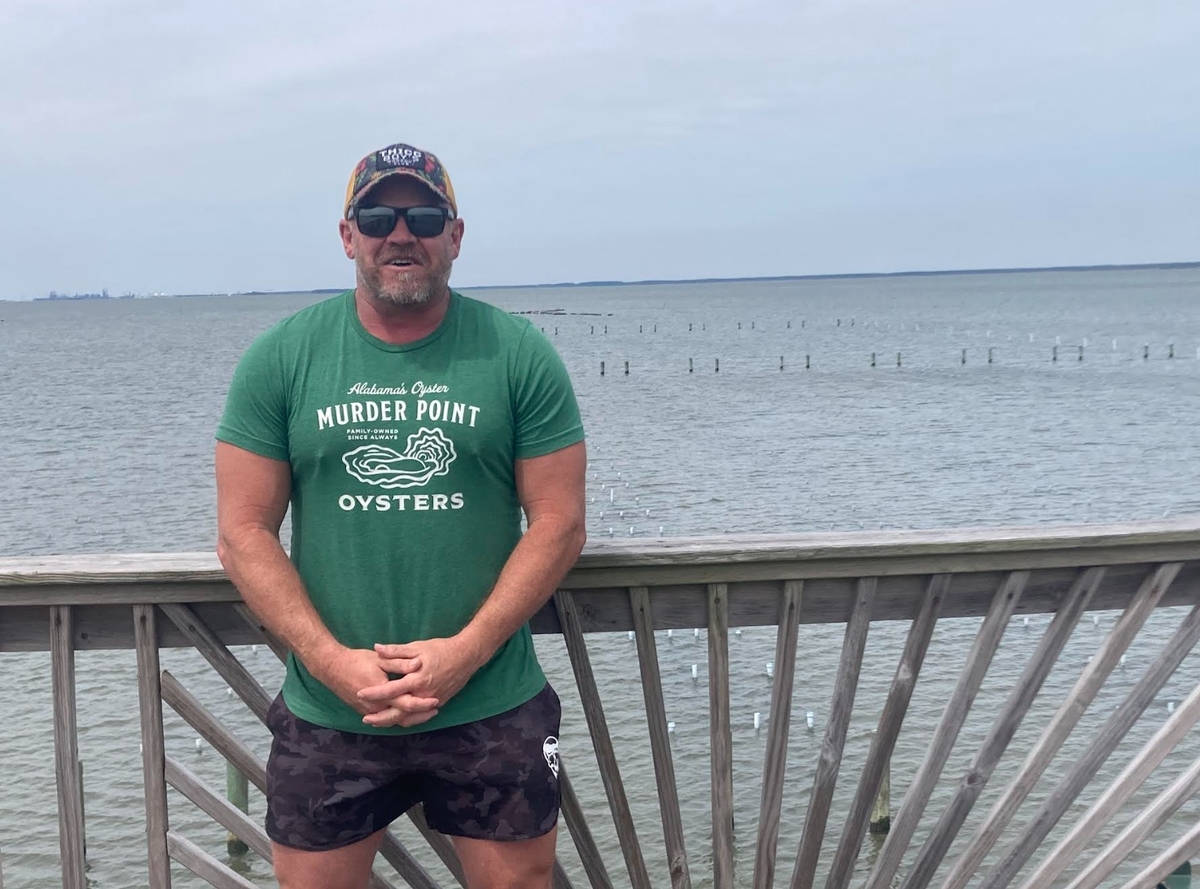
Story ideas, questions, feedback? Interested in partnering with us? Email: david@foodasaverb.com
This story is 100% human generated; no AI chatbot was used in the creation of this content.
I ate my first oyster as a boy, sitting at a Panama City Beach bar. We came in straight from the beach, white sand trailing a line out of our tennis shoes like Hansel and Gretel had gone to the Gulf.
My dad ordered a dozen raw oysters. The big cold platter, with working class accessories: Saltines, a little fork, Tabasco, the bottle crusty with dried sauce around the rim. I don't remember which I impacted me more: the oysters themselves or the rush-thrill of eating them.
We'd come from Chattanooga. The oysters, probably Apalachiacola. The joint was like the anti-Mt. Vernon — that buttoned-up Broad St. restaurant where the atmosphere always felt like Sunday after church — with flip-flops, Harleys right-angled outside, bar speakers playing Buffett or .38 Special or Skynyrd.
Raw oysters felt outlawed to me, like I was breaking rules by eating them, the shellfish equivalent of a Budweiser sipped at 14, which also may or may not have happened at the "Guff." I don't remember my first burger or steak, but I do remember my first dozen on the half-shell.
One side of my family tree — profoundly anxious, hypochondriac — thought they were dangerous and dire. Months ending in "R." E. coli. That sort of thing.
The other half — carefree, blithe, unaware — didn't think twice.
I was stuck in the middle of enormous tidal shifts and family dynamics, trying to learn which half of the world to open to, and what to close to. My heart, too, was bivalved. Somewhere inside, a shell had begun to grow.
I'd later learn that the oyster was the perfect animal — is the oyster my spirit animal? — for moments and questions like these.
Even then, more than 40 years ago, I was asking the same questions as these oysters.
What do I open to?
Where do I attach my identity to?
When do I close off from the world?
In bays, oceans and estuaries across the world, oysters are living teachers, fascinatingly resilient and part of our firmament.
"The oyster was here before we were. Before once upon a time," writes writes Drew Smith in his beautiful Oyster: a Gastronomic History.
The oyster is a bivalve shellfish, part of the mollusk family. Most of life follows one grand rule: symmetry.
"Not the oyster," Smith writes.
"The two sides of an oyster shell are completely different. The top shell is flat, or flatter; the lower side is cupped and sagged because all the conchiolin has leached downward by force of gravity. And even though an oyster may choose to grow vertically as well as horizontally, the effect is the same. The explanation is simple, but it has no parallel in the universe."
Canadian oysters have been known to live for 100 years. Ancient Greeks would tally their vote on oyster shells, Smith documents. Ostrea is Greek for "to leave out." Early colonists found them, well, everywhere.
They're bisexual, "meaning they can change from one sex to the other at will," Smith writes. And nobody's really sure why.
They have eyes. Gills. They contain an abundance of nutrients. They possess a prolific ability to attach.
"Bricks, boats, cans, tires, bottles, even crabs and turtles ... tiles, ropes, sticks, rafts, or bamboo," Smith writes.
And they're highly sensitive and attuned. Here's Smith:
Most of all, they are survivors. They endure, opening and closing through eons of tides, storms and change.
"The oyster is the one stable creature in an otherwise completely changing estuary environment," Smith declares.
"Where everything else moves," he writes, "the oyster stays still."
Four decades after those first raw shots, I walked into another bar: Easy Bistro in Chattanooga.
There, the oyster has been foundational since Easy's beginning, 20 years ago. (Is the oyster Easy's spirit animal, too? Consider all the downtown storms: Easy and its oysters have remained steady.)
For Chef Erik Niel, the oyster was tricky and symbolic of the chef's dilemma: could he introduce oysters at a landlocked restaurant 400 miles from the ocean? Without crackers? Or Skynyrd?
Now, 20 years in, with Michelin and James Beard awards, Chef Niel continues to offer raw oysters.
And at the top of his raw bar menu?
Oysters from Murder Point, Alabama.
Well, well, I thought, seeing that a few years ago.
I know Murder Point.
The Cooks come from lower Alabama; Murder Point's just down the road from the old home place.
Inside, an old connection stirred. Hmm ... I just wonder ....
Could Food as a Verb draw the storyline between Easy and Murder Point, Alabama?
I filed the idea away. Then, opportunity: my daughter was headed to Alabama to meet friends and wanted some company for the ride down.
Want to roadtrip? she asked.
I called up Lane Zirlott, owner of Murder Point Oysters, who was as generous and inviting.
Come on down, he said.
And just like that, the heart opened. Not long ago, we headed South, two generations returning to the heart of Alabama.
Not rocketship Huntsville, not golf courses in Mtn. Brook, but the rural, thick-heat flatlands of lower Alabama where poverty runs and runs like a river with no end.
We stopped to see family, three generations of Cooks in one living room, all of us hailing from these German and British immigrants, who, two centuries ago, attached themselves to this Alabama flatland and farmed and drank and birthed and buried and fought their way into the 19th and 20th centuries.
Back on the road, we kept driving South. Long miles, conversations, questions: her own sensitive, bivalved heart learning to endure, her own different shell growing inside.
What do I open to?
What do I attach my identity to?
When do I close off from the world?
Near the Gulf, we parted ways: my daughter met her friends, and I kept heading further South, past Mobile.
Internally, I had set my intention: keep my oyster heart open.
When you travel solo, without places to be, or times to be there, time sort of shifts. You can encounter things you might otherwise miss.
Big claims, big boasts.
Strangers who weren't really. If you want to hate America, watch the news, the saying goes.
If you want to love America, drive across the country.
Waiting inline at the Dauphin Island ferry, I met two members of a motorcycle gang.
His name is Fuse ...
... who, turns out, was actually a police officer from Miami and supremely kind.
And his best bud, Cowboy.
"I'm a Cowboy," he said, "on an Indian."
On the Dauphin Island beach ...
... I found a woman who came out every day to search for shark's teeth.
Then, one morning, I woke up early, hoofed it past Mobile, then onto backroads — auto parts stores, nail salons, Baptist churches where folks park in the bermudagrass — leading to Bayou La Batre, Alabama.
I got turned around, and turned around again.
Then, I saw the license tag on a big Ford.
I knew I was in the right spot.
Butter Love, the tagline-motto of Murder Point Oysters.
I spent the morning with Lane Zirlott, touring the Murder Point farm and hatchery, learning and listening: his story and the stories of millions and millions of oysters in the bay around me.
How did he harvest them? And grow them? Where do their shells come from? How did he start farming? How many are you selling and where?
(You can listen to our podcast interview here.)
Then, near the end of our day, Lane opened up about the one thing nobody's ever asked him about.
"The struggle," he said.
Yeah.
Bivalve, struggling hearts, all of us. Out in the bay, millions of Murder Point oysters were opening-closing, sensitive to the world around them, surviving and enduring.
What do I open to?
This.
Next Sunday, our story continues.
Story ideas, questions, feedback? Interested in partnering with us? Email: david@foodasaverb.com
This story is 100% human generated; no AI chatbot was used in the creation of this content.
Food as a verb thanks our story sponsor:
Food as a Verb Thanks our sustaining partner:
Food as a verb thanks our story sponsor:
Join our table

keep reading